Category: Art

BLOTTING PAPER The Comic: Production Report No.8

Art, Blotting Paper, Comics, Japanning June 28, 2012

This is the first report documenting the production of the second issue of my artist book/comic…Blotting Paper: The Recollected Graphical Impressions Of Doctor Comics. The new chapter is titled A Blot on His Escutcheon. It delves deeper into the character of Doctor Comics, the environment in which he lives and his life in comics. I am making progress with this and hope to self-publish it next year. The book is partly based on my career in art and design education in Sydney. I worked within these disciplines and their application within the areas of film, video, animation and visual communication. I have employed aspects of comics art in my teaching. Storyboarding, word and image projects and as a medium in itself are examples. I have also employed it in my study and research…the presentation of lectures and conference papers…the staging of conferences, symposiums and exhibitions and the writing of a doctoral thesis. My own comic has fictive passages as well as auto-biographical elements. Printmaking is being utilised as an image-making medium. This includes the Japanese sosaku hanga method, along with pen and ink drawing, collage and found materials.

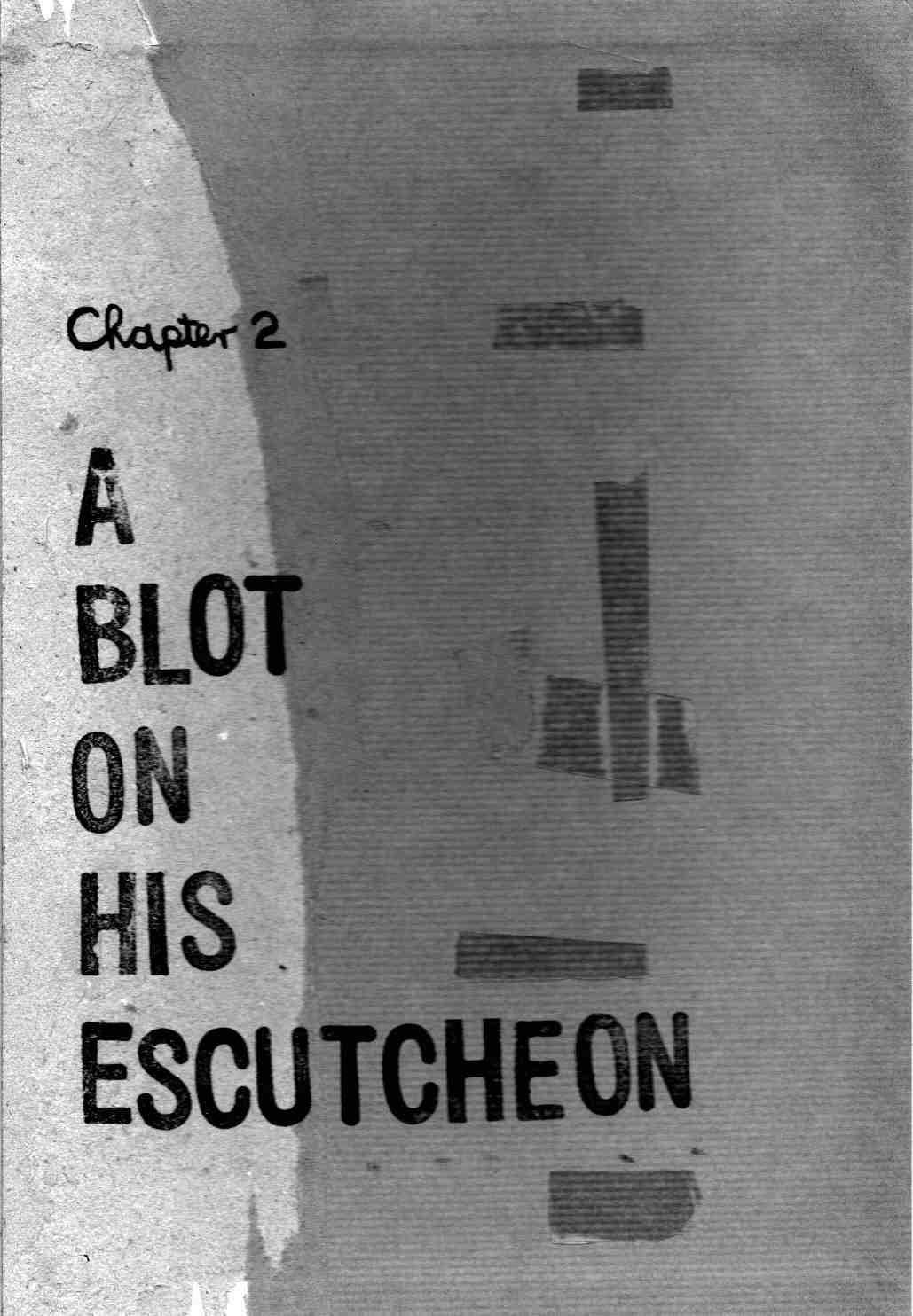
Proposed title page for issue #2(Pen and ink drawing and collage-© 2012 Dr. Michael Hill a.k.a. Doctor Comics)

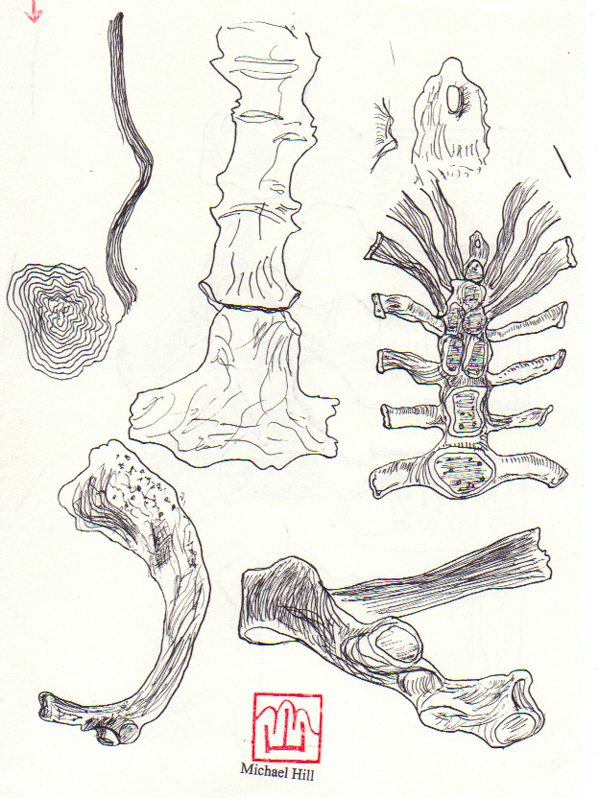
I’m currently learning to draw bones by reading the osteology chapters in anatomy books and studying the illustrations really carefully. In Chapter 1 I used fish bones as an image and as a printmaking substrate for the sosaku hanga technique. In Chapter 2 there will be drawings of human bones of the hand and foot. I have had the opportunity to study some broken bones incurred in falls from bicycles. Speaking of cyclists I also make reference to the Bookseller of Glee character.

Bones of the hand and foot. (Pen and ink drawing-© 2012 Dr. Michael Hill a.k.a. Doctor Comics)

This bookseller rides a penny farthing type of bicycle and will play a part in this issue. I had my portrait of this fine gentleman in the Glebe Sesquicentenary Art Exhibition(see below). It was also a finalist in the 2010 Bald Archy Prize. Titled The Bookseller of Glee (mixed media-drawing, painting and collage on paper)…it is a postmodern portrait of Roger Mackell, co-owner of Gleebooks (4 times Australian Bookseller of the Year). He is a generous character gleefully disseminating books and promoting the joy of reading. The portrait caricatures him and his store’s contribution to the intellectual life of Glee Village and its nearby universities. In my portrait the main street is constructed from the writings of French literary critics and philosophers…whose work the bookshop stocked in the 1980s.

The artist…Dr. Michael Hill a.k.a. Doctor Comics and his portrait of a particular Glebe bookseller. (Photo by Louise Graber)
More bones (pen and ink drawing-© 2012 Michael Hill)
More bones (pen and ink drawing-© 2012 Dr. Michael Hill. a.k.a. Doctor Comics)

I have been drawing more bones. In the meantime I am putting a call out for feedback on this post. I would really love to hear what you think of what I am doing with my blog and bones.

Bones of the hand, heel and hips. (Pen and ink drawing-©2012 Dr. Michael Hill a.k.a. Doctor Comics)

(All text, photos and artwork-©2012 Dr. Michael Hill).

Archive of Australian Alternative Comics: SAVAGE PENCILS

Archive of Australian Alternative Comics, Art, Comics May 30, 2012

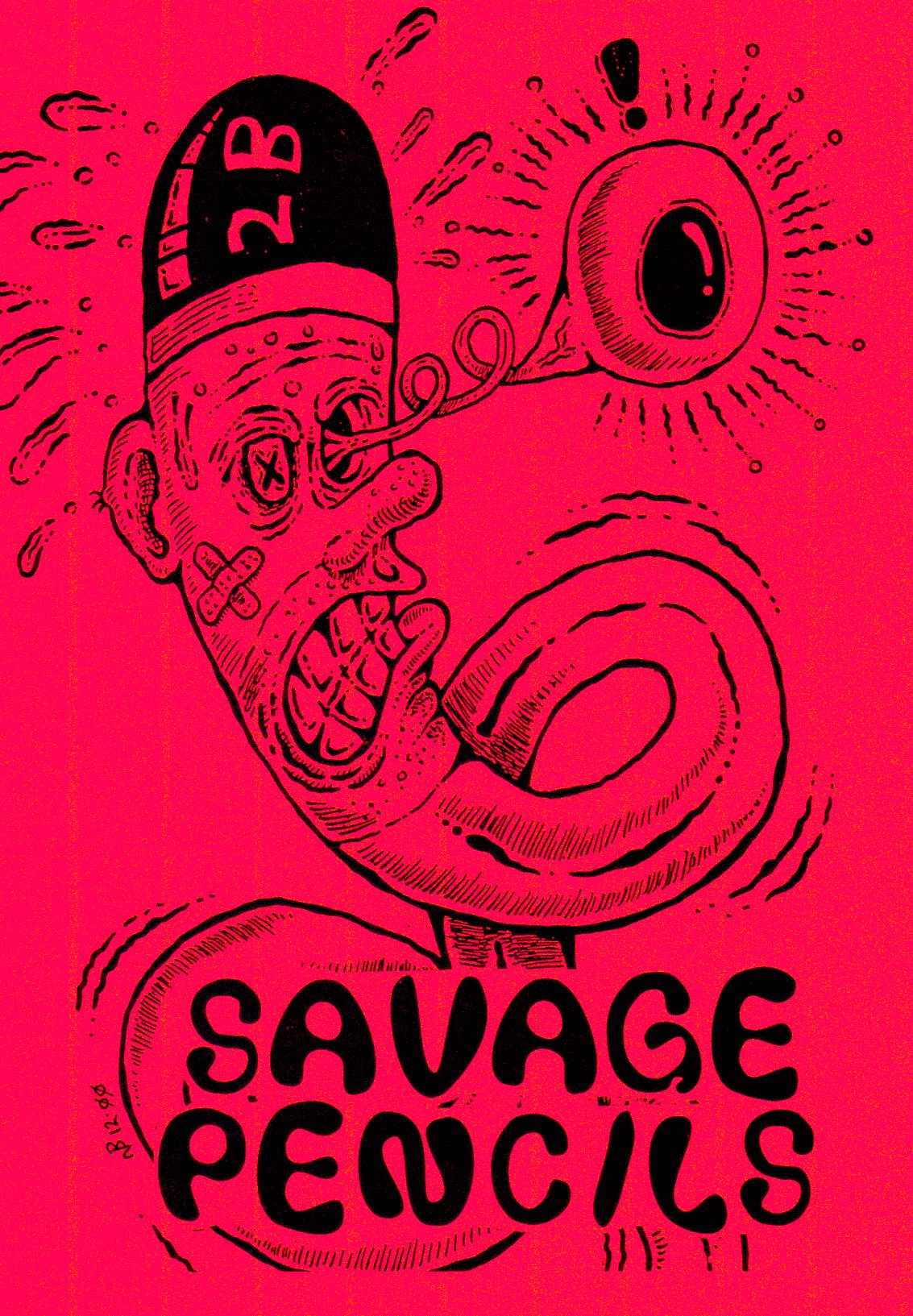
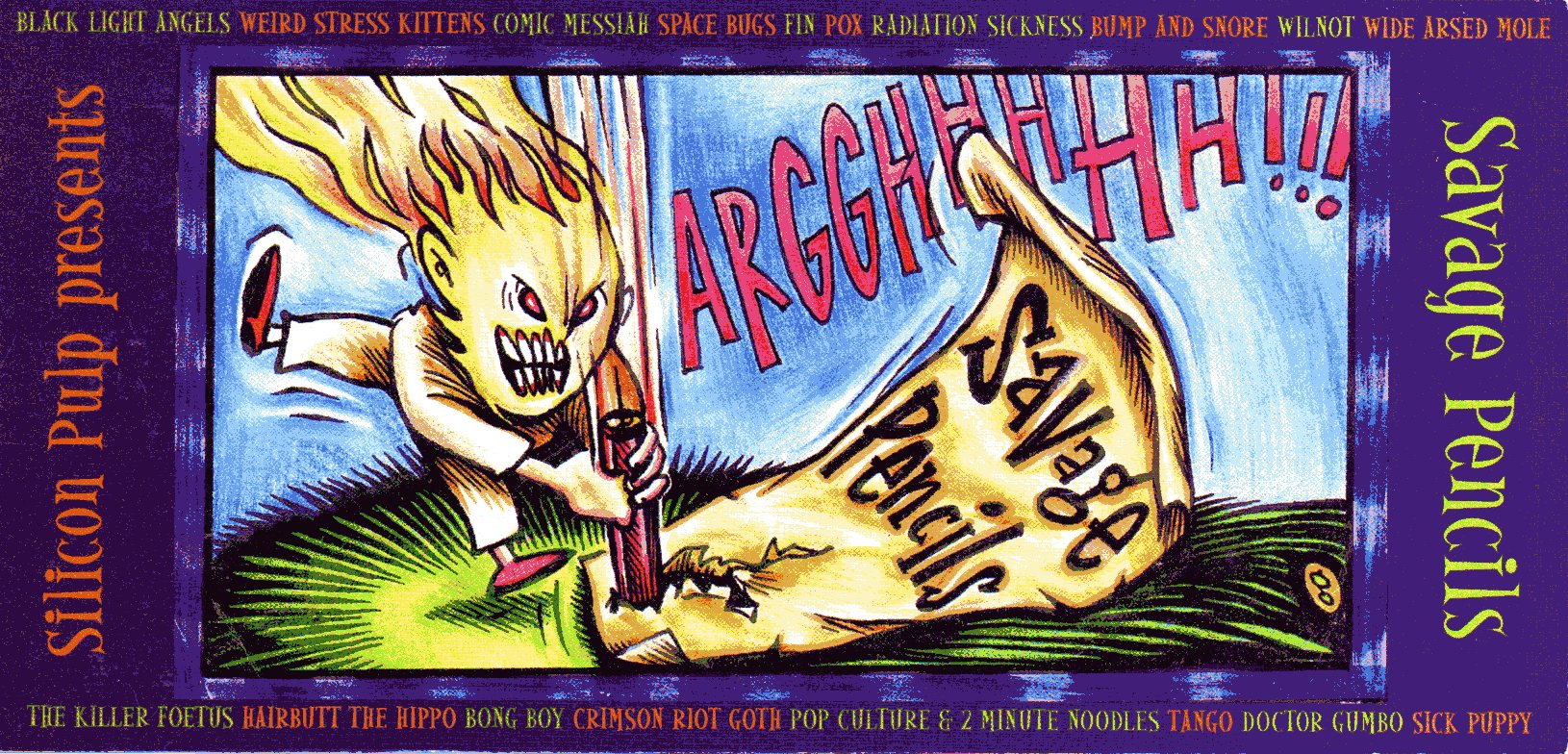
Savage Pencils was an exhibition of contemporary Australian comics cover art that I curated at Silicon Pulp Animation Gallery, Sydney in 2001. It featured original art by Paul Abstruse, Ray Ahn, Gerard Ashworth, Anita Bacic, Xander Black, Neale Blanden, Anna Brown, Bronson Boyd, Susan Butcher, Bernard Caleo, Dakanavar, Tim Danko, Anton Emdin, Michael Fikaris, Edo Fuijkschot, Louise Graber, Ben Hutchings, Scott Johnson, Gregory Mackay, Alex Major, Kieran Mangan, Daniel McKeown, Chris Mikul, Alice Mrongovius, John Murphy, Dillon Naylor, Linzee R. Nold, Mandy Ord, Jason Paulos, Q-Ray, Kirrily Schell, Jan Scherpenhuizen, Shags, Bernie Slater, Glenn Smith, Cipta Tanamas, Dean Tarjavaara, Matt Taylor, Ross Tesoriero, Tolley, Ryan Vella, Kevin Whitfield, Colin Wilson and  Carol Wood.

The invitation designed by Glenn Smith.

The exhibition catalogue contained the essays: “The Broken Pencils of Southeast Asia” by International Journal of Comic Art editor John A. Lent, “Why the Australian Small Press Make Eskimo Comics” by Tim Danko, and my own paper “Sick Puppies With Pencils”.

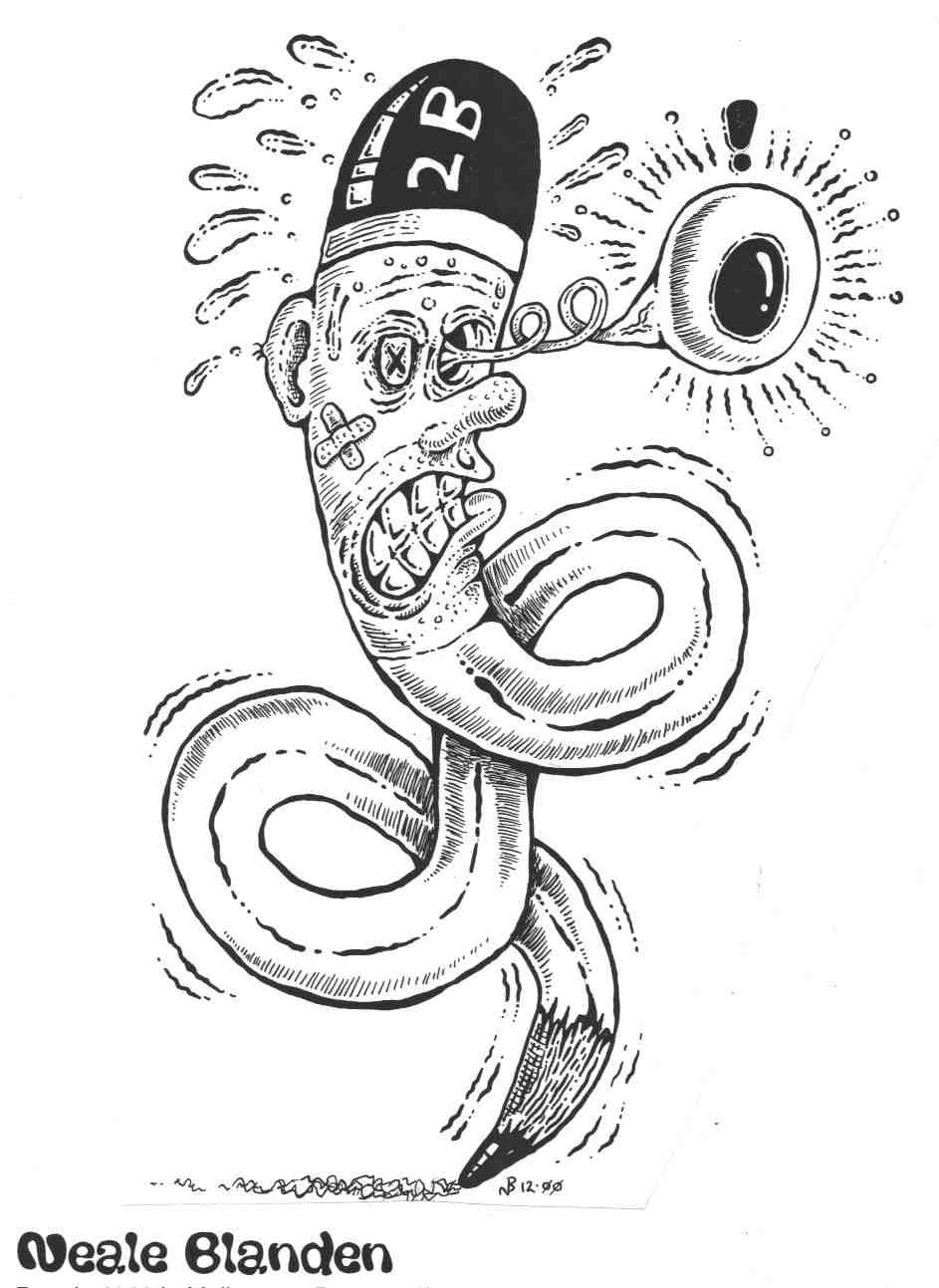
The Neale Blanden illustration was also used as the exhibition catalogue cover.

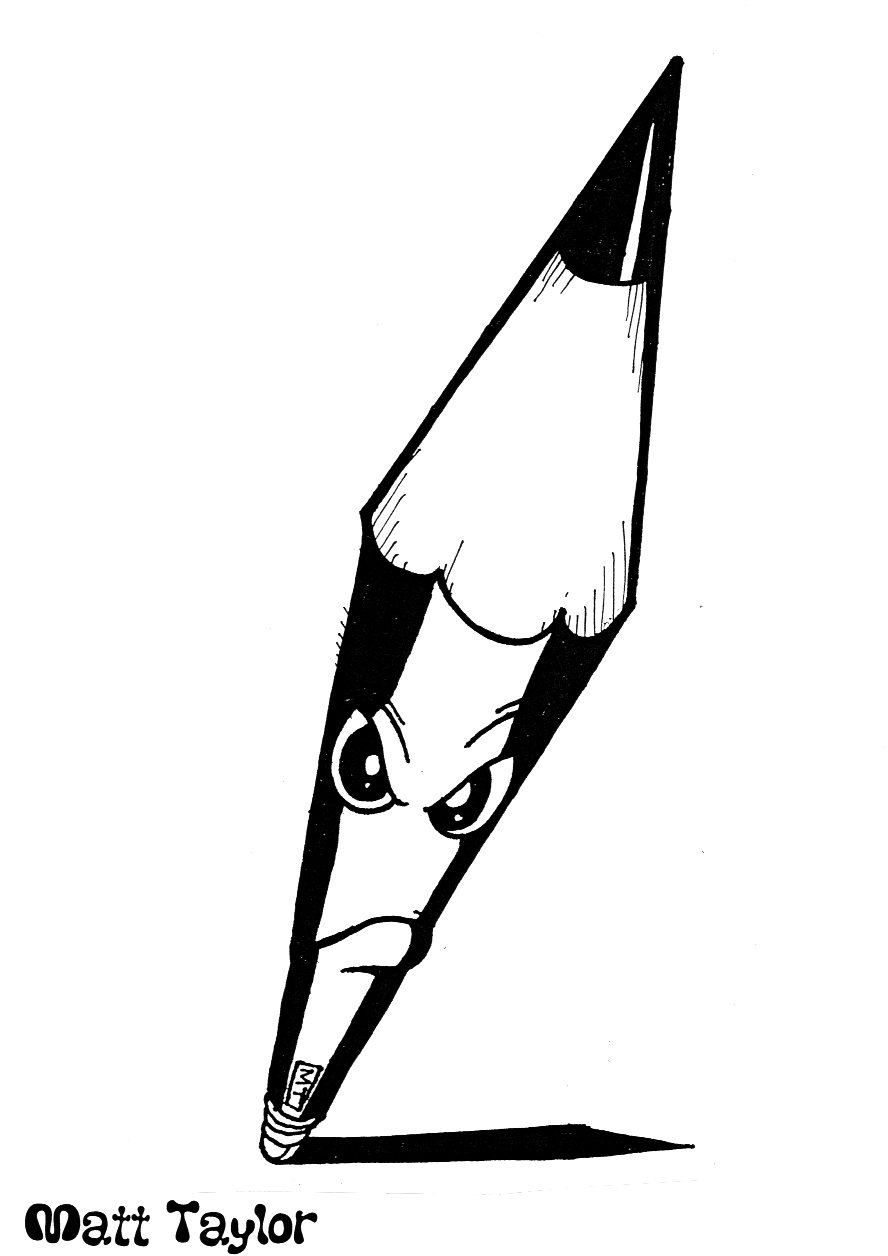
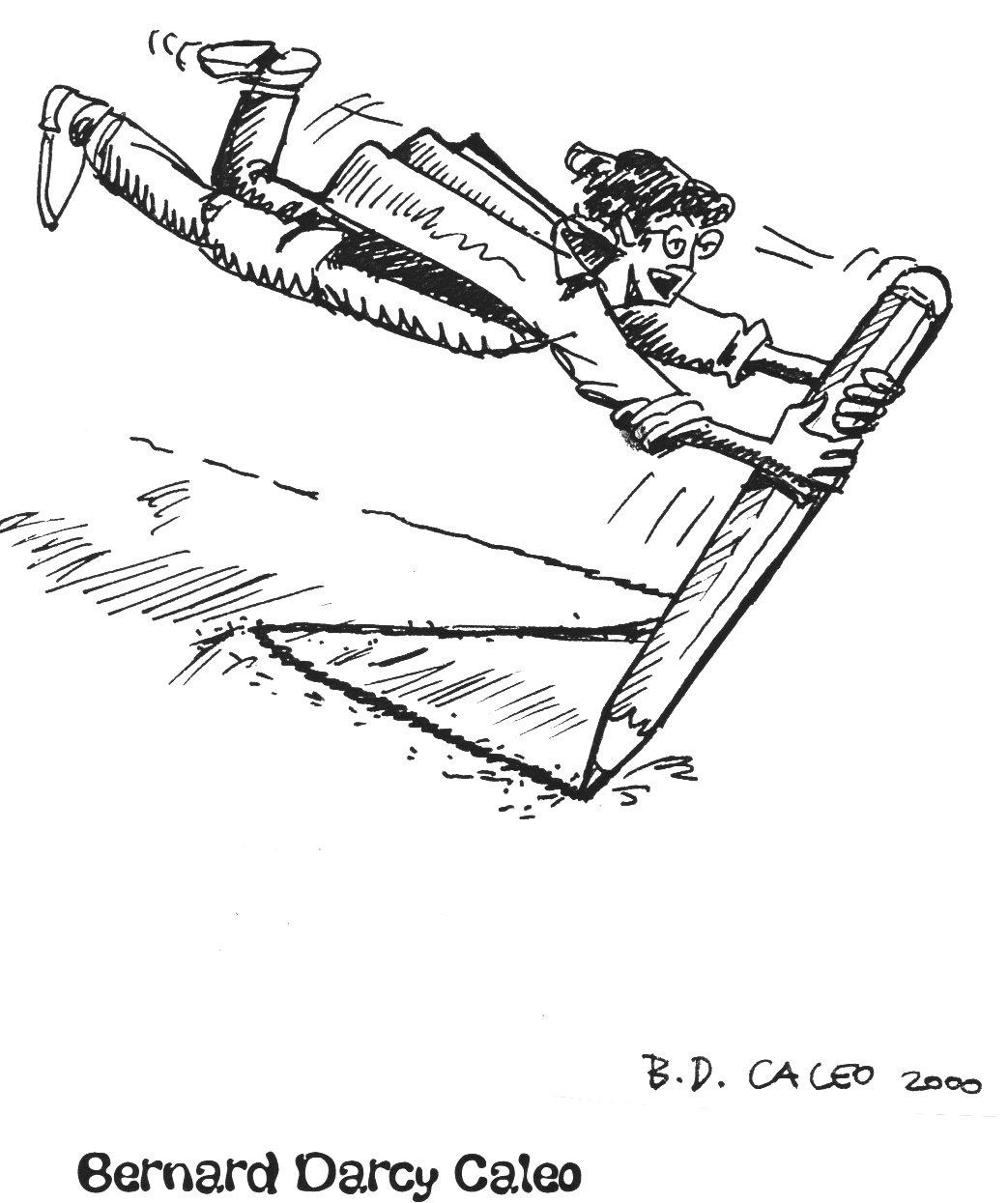
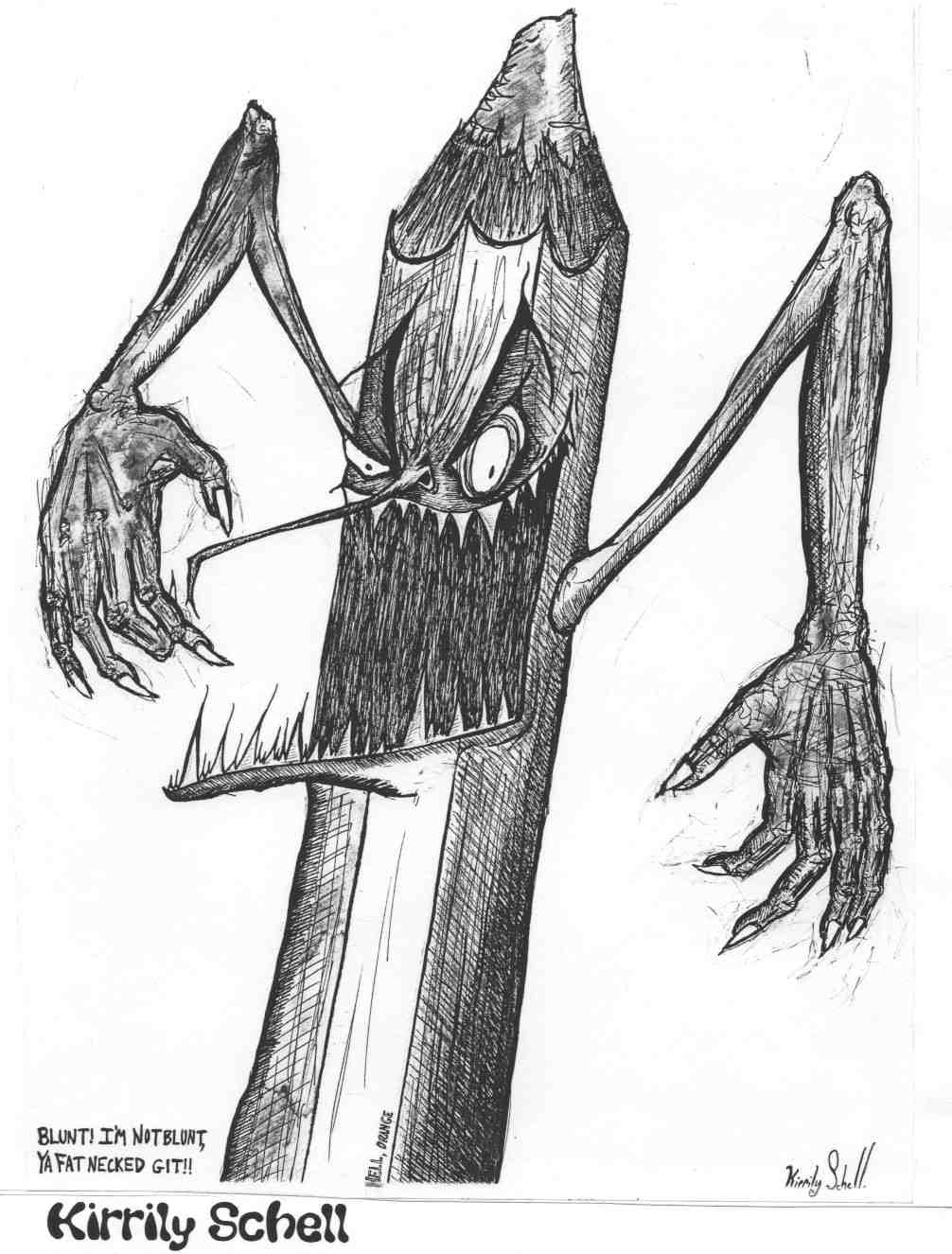
As a playful idea for the catalogue I asked the artists to draw a ‘savage pencil’. Here is a selection. All art is the copyright of the respective creators.

Colin Wilson

Colin Wilson

Butcher and Wood aka the Pox Girls.

Louise Graber

Louise Graber

Ross Tesoriero

Alice Mrongovius

Linzee R. Nold

Shags

Chris Mikul

Chris Mikul

Matt Taylor

Ben Hutchings

Tolley

Bernard Caleo

Bernard Caleo

Ryan Vella

Kirrily Schell

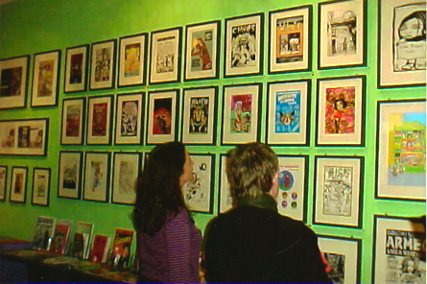
The notion of collecting comics art is a recent but growing trend in Australia. This exhibition offered 50 works ranging from the mainstream to the the avant-garde, from 44 artists representing every State of Australia except the Northern Territory. Some of the cover art was displayed on the gallery’s website.

Exhibition installation view. (Photo by Louise Graber)

The exhibition catalogue with cut-up Neale Blanden illo on the cover.

The exhibition catalogue with cut-up Neale Blanden illo on the cover.

The title for the exhibition was taken from the alias of Edwin Pouncey, an English comics creator of the early 1980s whose ‘punk’ style of graphics proved inspirational to alternative cartoonists. This show celebrated drawing, a precious commodity in an age of appropriation and scanning, and the creative expression that drawing is given in comics. Here the drawing was both art and pop culture trash and very affordible.

Massive thanks to the people at Silicon Pulp! What they have done for local creators of comics art is immense! And to the artists, whether you exhibited, attended the exhibition or just read my blog post on it, I would love to hear your thoughts. This is the eighth in a series of posts called Archives of Australian Comics History that document moments in the recent history of Australian comics, particularly alternative comics and the Australian Small Press. I started researching this subject in the late 1990s and it eventually led to my PhD thesis: Ph.D. Macquarie University, Division of Society, Culture, Media and Philosophy, A Study Of Contemporary Australian Alternative Comics 1992-2000 With Particular Reference To The Work Of Naylor, Smith, Danko And Ord, 2003. On completion of the research I donated the materials and comics I had collected to the National Library of Australia: Michael Hill Collection of Australian Comics.

BLOTTING PAPER The Comic: Production Report No.7

Art, Blotting Paper, Comics, Japanning April 21, 2012

Design and production of Issue #1 of my artist book/comic…Blotting Paper: The Recollected Graphical Impressions Of Doctor Comics…involved a range of graphic techniques. These included drawing, handwriting, collage, photography, typography and printmaking. Selected production items were displayed at the launch with a description of my working method.

Searching for inspiration with sketching and sake. (Photo-© 2012 Dr. Michael Hill a.k.a. Doctor Comics)

The first stage of the process is getting an idea. This may come from reading and research, travel, visits to galleries to look at art and objects and make sketches. One sketch book in the photo below shows a collaged image of a fictitious Japanese monster Shitake Man. Some sake also proved useful at this preliminary stage.

Sketch book collage and sake cup. (Photo-© 2012 Dr. Michael Hill a.k.a. Doctor Comics)

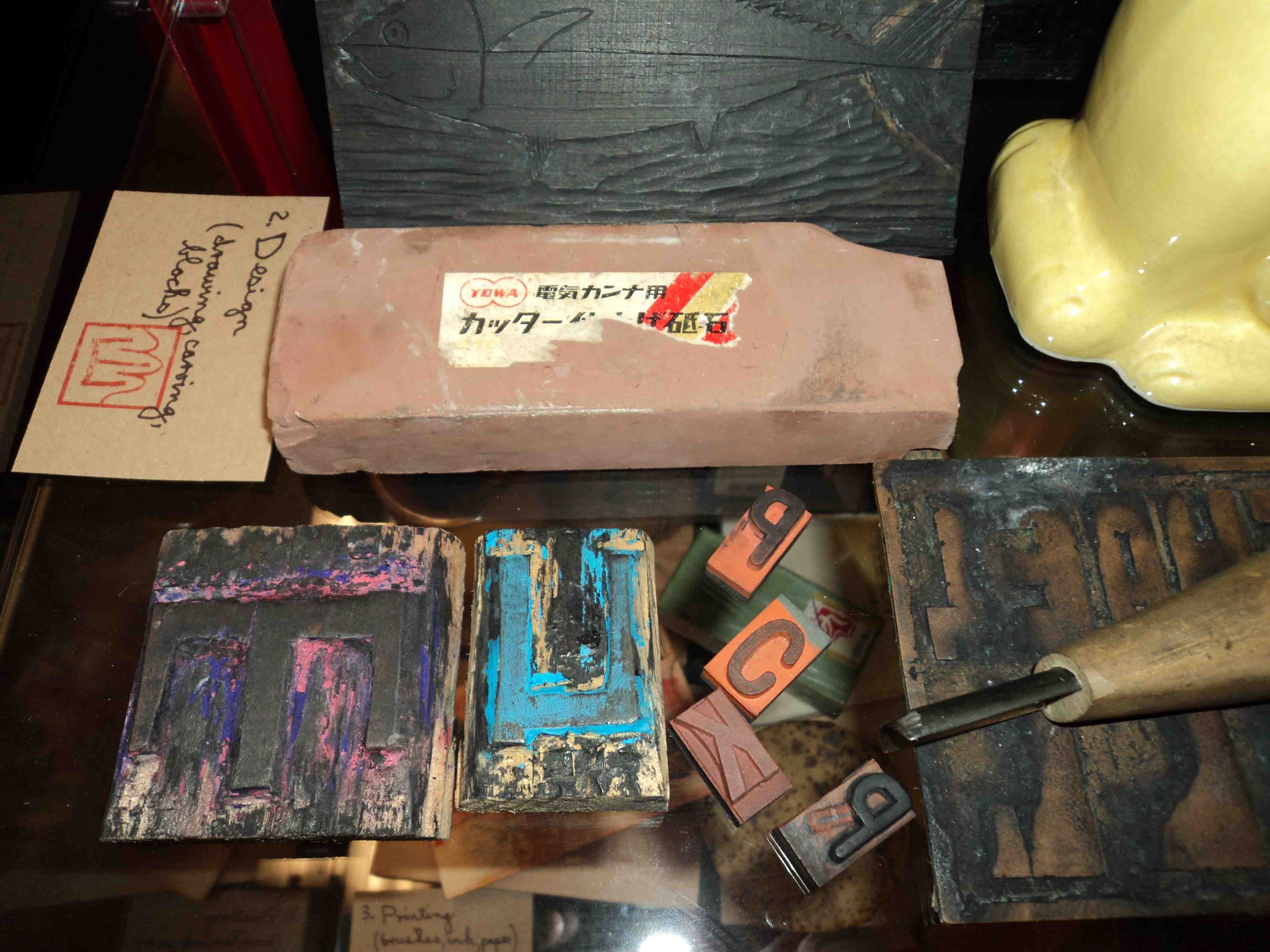
Concepts and images come to mind in the second stage, design. Sketching determines the shapes that will be obtained through image-making techniques.

Printmaking tools: chisel, blocks, type, sharpening stone. (Photo-© 2012 Dr. Michael Hill a.k.a. Doctor Comics)
Bamboo baren, seals, string, sumi ink, brushes and printed postcard.(Photo-© 2012 Dr. Michael Hill a.k.a. Doctor Comics)

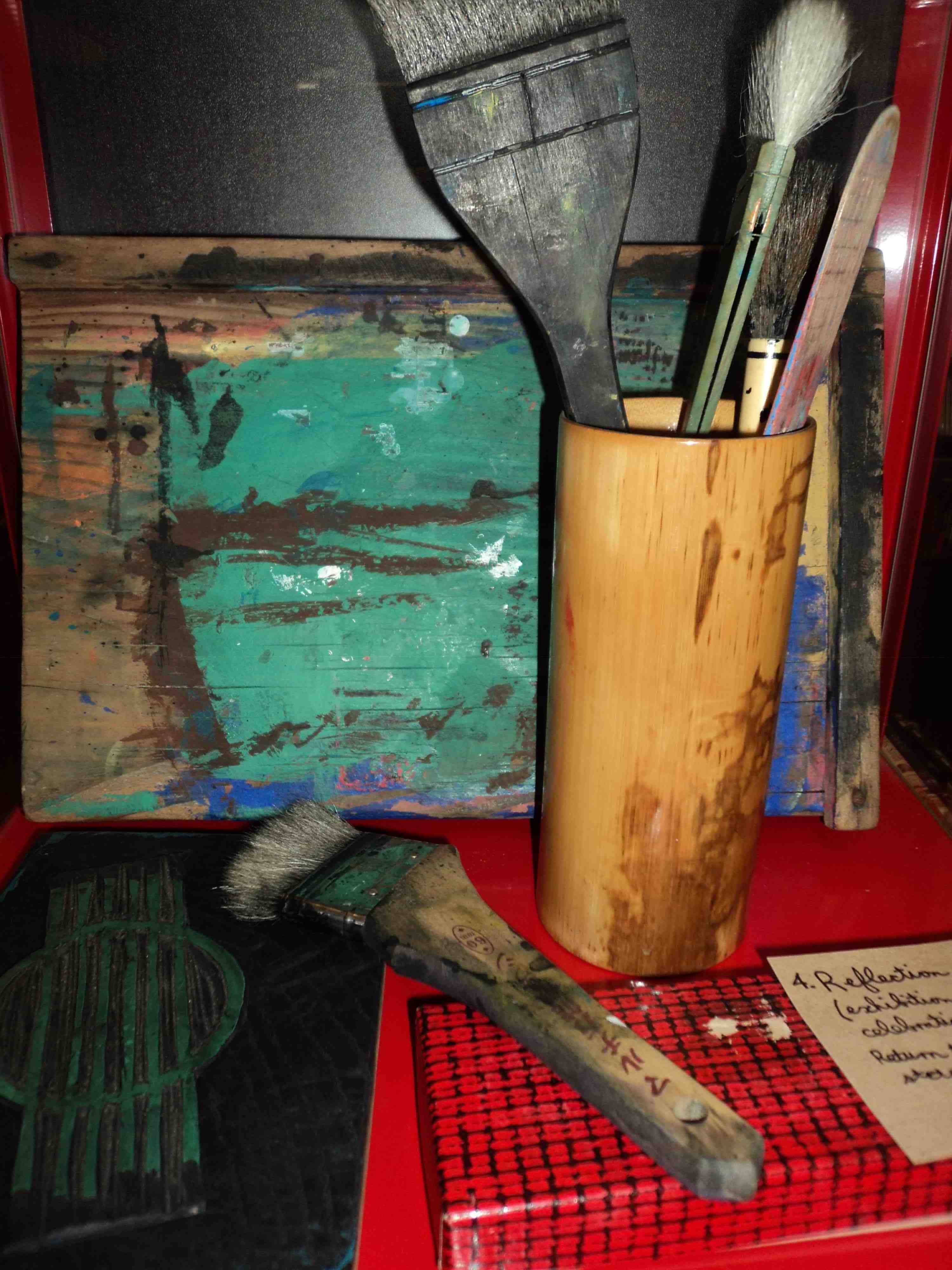
Where printmaking is involved the third stage brings out brushes, ink and paper for the printing part of the project. A baren is piece of dried bamboo that has been stretched over a board. It is used to ensure that the paper makes good contact with the inked block. The pressure applied can be varied to produce the degree of intensity of the ink. The autumn postcard print in the photo above has been constructed from 5 layers of print.

Bench hook, brushes, bamboo jar. (Photo-© 2012 Dr. Michael Hill a.k.a. Doctor Comics)

Copies of my artist book/comic…Blotting Paper: The Recollected Graphical Impressions Of Doctor Comics …are available exclusively from the launch venue Hondarake: Full Of Books till 31 May 2012. The store is located at Level 1, 465 Kent Street Sydney  phone: 02 9261 5225  online shop: http://fullofbooks.com.au

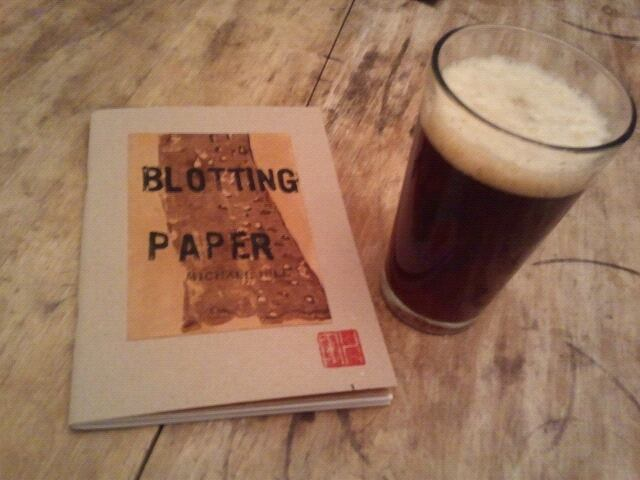
The book with original print on cover. (Original print-© 2011 Michael Hill a.k.a. Doctor Comics)

Another brief break between posts. I welcome your feedback on this event, if you attended, as well as to this and my previous posts, Michael.

(All text, photos and artwork-©2012 Dr. Michael Hill a.k.a. Doctor Comics).

Archive of Australian Alternative Comics: 2002 SEQUENTIAL ART STUDIES CONFERENCE

Archive of Australian Alternative Comics, Art, Comics, Japanning April 7, 2012

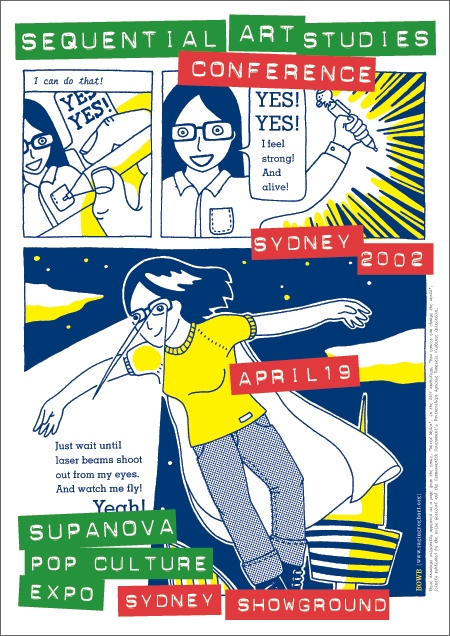
Conference poster designed by BOWB.

Ten years ago this event, the first Sequential Art Studies Conference took place on April 19 2002 in Sydney at the University of Technology, and by my reckoning, was the first scholarly conference on comics studies to be held in Australia, more than 3 years prior to the “Men In Tights” conference at Melbourne University in 2005 that also makes this claim! The conference was named after the descriptive term for comics, sequential art, introduced by Will Eisner in 1985. Thank you Will! Convened by Jeremy Allen and myself, with panels chaired by Jeremy, Spiros Tsaousis and I, the conference was held in association with Supanova Pop Culture Expo with support from Daniel Zachariou. The conference poster was designed by BOWB.

CALL FOR PAPERS

SEQUENTIAL ART STUDIES CONFERENCE, Sydney, Australia, April 19 2002 SUPANOVA POP CULTURE EXPO Sydney Showground, April 20-21 2002. This inaugural scholarly conference on comics will take place on the day preceding Australia’s largest comics convention and will be associated with that event. Scholars are invited to submit 250 word proposals which address alternative approaches to comics, whether local or global, recent or historical, online or offline, artistic or commercial. The conference will adopt a multidisciplinary approach and welcomes papers from a broad range of disciplines. Send enquiries and proposals, by email only, to either of the conference coordinators: Jeremy Allen: Jeremy.S.Allen@uts.edu.au  or  Michael Hill: Michael.Hill@uts.edu.au Interdisciplinary Studies, Faculty of Design, University of Technology, Sydney.

DEADLINE: Friday December 21 2001

PROGRAM

Michael Hill-Bite of the Mongrel Breed: A Study of Satire in Contemporary Australian Alternative Comics 

Abstract: This paper involves an examination of the contemporary Australian alternative comics scene as a lively form of lampooning and derision in the late 20th Century. In contrast to the mainstream print media, many of the artists, creators and cartoonists involved antagonise, irritate and ridicule with their graphic humour and horror, provoking irreverent laughter as well as an element of fear and amazement within their limited audience. In so doing, they take advantage of what is a relatively unregulated outlet of creativity and visual communication. As a wide-ranging group of artists, their repertoire houses a mix of graphic styles and comic art genres and their attitude has strains of ‘larrikin’ and ‘ratbag’ humour.

Bio: Michael Hill is Senior Lecturer in Visual Communication and Director of the Interdisciplinary Studies Unit at UTS, and partner in Graber Hill, publisher of the alternative comic B.L.A.CK.

Craig Norris-Manga in Australia: erasing and re-animating Japan   

Abstract: The export of manga (Japanese comics) from Japan to Australia is a journey from erasing race and culture to redrawing ideal bodies and communities. Using my two years of field research in Tokyo I argue that the export agenda of Japanese animation distributors is based on the erasure of Japanese racial characteristics and life-style to allow for easier localisation of animation and comics such as Astro Boy, Poke-Mon and Dragonball Z (Iwabuchi, 1998). I compare these producer-dominated ‘erased’ manga with the ‘redrawn’ manga of fan artists throughout Australia. I focus on the work of a number of manga fan-artists based in Sydney whose work appears in fan-zines, online, and on more unusual surfaces such as car-body art work.

Bio: Craig Norris is a PhD candidate at the University of Western Sydney. His research interests include cultural globalisation, audience-studies, and Asian/Australian popular culture flows.

Jeremy Allen-OZ.COM: Australian Comic Creators and the Web  

Abstract: Over the last seven years the web has emerged as a focal point for comicsculture. It is a place for fans to connect, for the purchase of latest titles and back issues, for comic news to be broadcast, for upcoming comics to be ‘spoiled’, and for established comic companies to advertise. Significantly, it has also given a mass media voice to aspiring comiccreators. In this respect, the web has become a gallery of online comics to be appreciated by potentially millions of people across the world. It is through this new method of distribution and new form of comics that the Internet has perhaps had its most revolutionary impact on comics, by producing a true alternative to the ‘offline’ comics industry.  

Bio: Jeremy Allen is currently researching his Ph.D. on Online Comics on an Australian Postgraduate Award Scholarship in the Faculty of Design, Architecture and Building at the University of Technology, Sydney.  

Zeldz Magnoonis-The sequential art of the skateboard sequence   

Abstract: Skateboarding is an activity full of dynamic action and motion.  Inevitably, attempts to capture this phenomenon require communication of this movement.  Representing movement in print has obvious limitations and the most obvious solution is that of the photographic sequence.  In this paper, it will be argued that these sequences can be read much like a comic strip.  It will be demonstrated that they not only share characteristics of comic strips, but have developed alternative processes that could be of use to the comic creator.

Bio: After falling into the cauldron of magic comics as a baby, monsieur Magnoonis has been addicted to the medium ever since, currently studying visual communication and creating the mini comic Pepe’s Quest.

Kurt Brereton-From Paper to Pixels: Animating Drawings and Paintings   

Abstract: Many artists and new animators work with desktop Mac and PCs at home or in schools and colleges. Great ideas can be well expressed using alternative approaches without resorting to high tech wiz bang special effects. New media and interactive multimedia technical restrictions have forced alternative animators to think big and work small.  This talk will focus on practical and conceptual issues at play in working in multimedia.

Bio: Kurt Brereton is Adjunct Professor in Computer Based Art & Design at the University of the Sunshine Coast and the University of Technology, Sydney, Managing Director of Spark Interactive and an internationally represented visual artist, photographer and film maker.

Spiros Tsaousis- The Spatial Logic of Krazy Kat   

Abstract: Modernist spatiality evidenced two strains – one orderly, mechanistic, logical and gridbased; the other fluid, dynamic, a transvaluation. However the rational and orderly exhibits the symptoms of anxiety, containing within its formulation the seeds of its unconscious propensity toward disorder and fluidity. Broadly tracing the spatial development of the comic strip from, say, Hogan’s Alley to Little Nemo to Krazy Kat evidences the movement of the medium between the two poles. In this paper I assert that the ‘logic’ of Krazy Kat is made coherent, legible and thematically consistent with appeal to its representation of space and place; and that its spatial presentation – its design and rearrangement of the comics page – is a significant departure from the relatively uniform and stable arrangements of comic strips such as Hogan’s Alley and Little Nemo.

Bio: Spiros Tsaousis has recently completed his thesis, “Disturbance of Distance: Postmodern Spatiality and the Comic Strip, Comic Book and Graphic Novel”. He has presented and published a number of papers on comics.

Adam Possamai-The Social Construction of Comic Books as a (Non) Recognised Form of Art in Australia 

Abstract: Even if since the 1990s there is an emergent community of comic book artists, Comic Books in Australia appear to be negatively stigmatised as immature literature in everyday life and in academic spheres. Even if comics started in newspapers as a way to attract working class adults to buy newspapers, and later became a literature form aimed at young readers, this medium has reached its Lettres de Noblesses and has been recognised as an art form since the 1970s in Europe, Japan, and the USA, but NOT – as it appears – in Australia. The aim of this paper is to describe the social construction of comic books as an immature literature in Australia since WW II.

Bio: Adam Possamai lectures in sociology at the University of Western Sydney. His doctoral thesis won the Jean Martin Award for the best PhD in Sociology submitted in Australia during 1998-9.

Note: Jeremy Allen is now known as Jeremy Kerr and Spiros Tsaousis is now Spiros Xenos.

Well this post came up a bit sooner than I preferred but I had to report on the event asap. Whether you attended  this event or have just read this blog post I would love to hear your impressions of either. Please post. It is the seventh in a series of posts called Archives of Australian Comics History that document moments in the recent history of Australian comics, particularly alternative comics and the Australian Small Press. I started researching this subject in the late 1990s and it eventually led to my PhD thesis: Ph.D. Macquarie University, Division of Society, Culture, Media and Philosophy,  A Study Of Contemporary Australian Alternative Comics 1992-2000 With Particular Reference To The Work Of Naylor, Smith, Danko And Ord, 2003. On completion of the research I donated the materials and comics I had collected to the National Library of Australia: Michael Hill Collection of Australian Comics.

(All text-©2012 Dr. Michael Hill a.k.a. Doctor Comics).
GIGANTOR V GOJIRA: Iconic Kitchen Art Installation

Art, Comics, Film, Japanning April 1, 2012

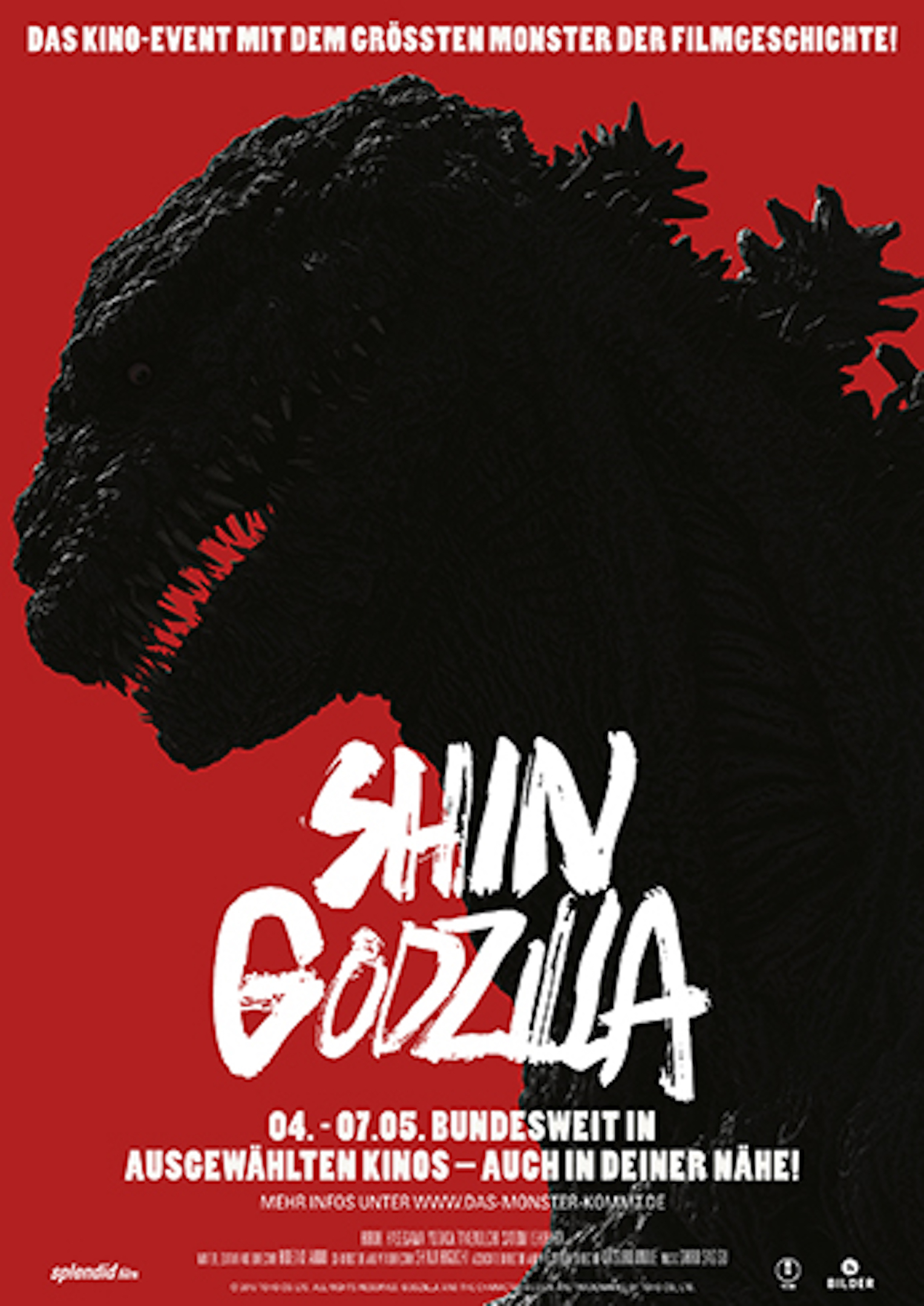
I now have two three dimensional sculptures of Gigantor and Gojira on the kitchen walls of our home: Gigantor the giant, remote controlled, peace-keeping robot, based on the manga Tetsujin 28-go (Iron man No.28) by Mitsuteru Yokoyama and adapted for animation, plus Gojira (Godzilla) star of the famous Japanese movie directed by Ishirō Honda. These plaques are the work of model maker, artist and comics creator Lewis P. Morley and were exhibited just last month at a gallery in Redfern, Sydney. Once installed, Lewis agreed to perform their christening.

Gigantor installed …above the stove in the kitchen. (Photograph and ceramic tile design by Louise Graber)

I have always thought that Gigantor’s body resembled a pot-bellied stove so I decided that it was appropriate he be positioned above the stove. His clunky design with rivets and pistons, prior to those more elegant mobile suit robots, such as Gundam that succeeded him, have some resonance with the metal stove and the various pots and pans on the shelves.

Gojira installed on the Japanese graduated toned wall. (Photograph by Louise Graber)

The whale eating Gojira, on the other hand, coming from the depths of the ocean and memorably seen in the 1954 Godzilla movie wading through Tokyo Bay, had to go over the kitchen sink.

Lewis and his magic silver signing pen signing Gojira. (Photograph by Louise Graber)

Christening Gigantor in steampunk style with steam from a boiling kettle. (Photograph and ceramic tile design by Louise Graber)

Christening Gojira with water from a metal jug. (Photograph by Louise Graber)

It was very kind of Lewis to come over, appropriately dressed in his Gundam T-shirt and perform this ritual. He now has visiting rights. This post was first published on the Doctor Comictopus blog.

UPDATE: GODZILLA GETS RESIDENCY CERTIFICATE IN TOKYO, June 2015

News photo: Godzilla officially welcomed to Shinjuku by the Mayor.

News photo: Godzilla officially welcomed to Shinjuku by the Mayor.

Well that’s 40 days since my last post…that preferred publishing frequency rate is getting more like it. Feel free to post about my blogging, comics art history and creative projects. I shall reply. Doc.

UPDATE: POSTER DESIGNS FOR THE NEW SHIN GODZILLA FILM, April 2017

(All text-©2012 Dr. Michael Hill a.k.a. Doctor Comics).

BLOTTING PAPER The Comic: Production Report No.6

Archive of Australian Alternative Comics, Art, Blotting Paper, Comics, Japanning February 20, 2012

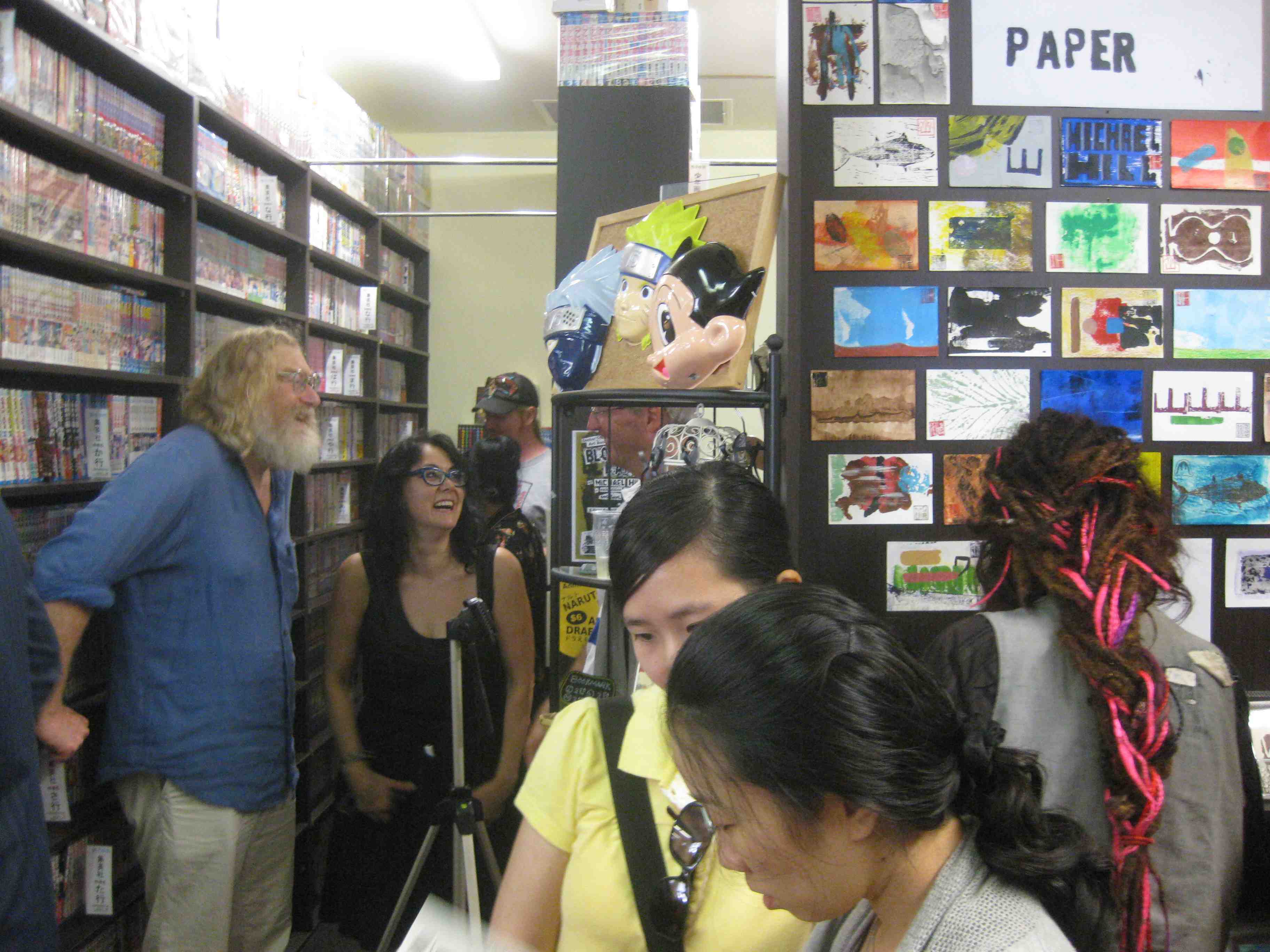
Returning to the shorter interval between posts again but for a good reason on this occasion. My artist book/comic Blotting Paper: The Recollected Graphical Impressions Of Doctor Comics was launched …at Hondarake Full of Books in Sydney in February, 2012. It was accompanied by an exhibition of my handmade art postcards and the printmaking tools used in their production. Having gained a reputation for researching comics art there I was attempting to create it. I was proud of my comic, its launch and the attendance of my friends and supporters.

My anime fish prints hanging overhead. (Photo by Sal Jones)
Zeera the Space Pirate creator Naomi Hatchman. (Photo by Louise Graber)
Australian comics legends Glenn Smith and Gerard Ashworth. (Photo by Louise Graber)
JMC Director of Animation Sean Callinan and Peregrine Besset creator Lewis P. Morley. (Photo by Louise Graber)
It Lives! CEO’s Nick and Liz. (Photo by Louise Graber)
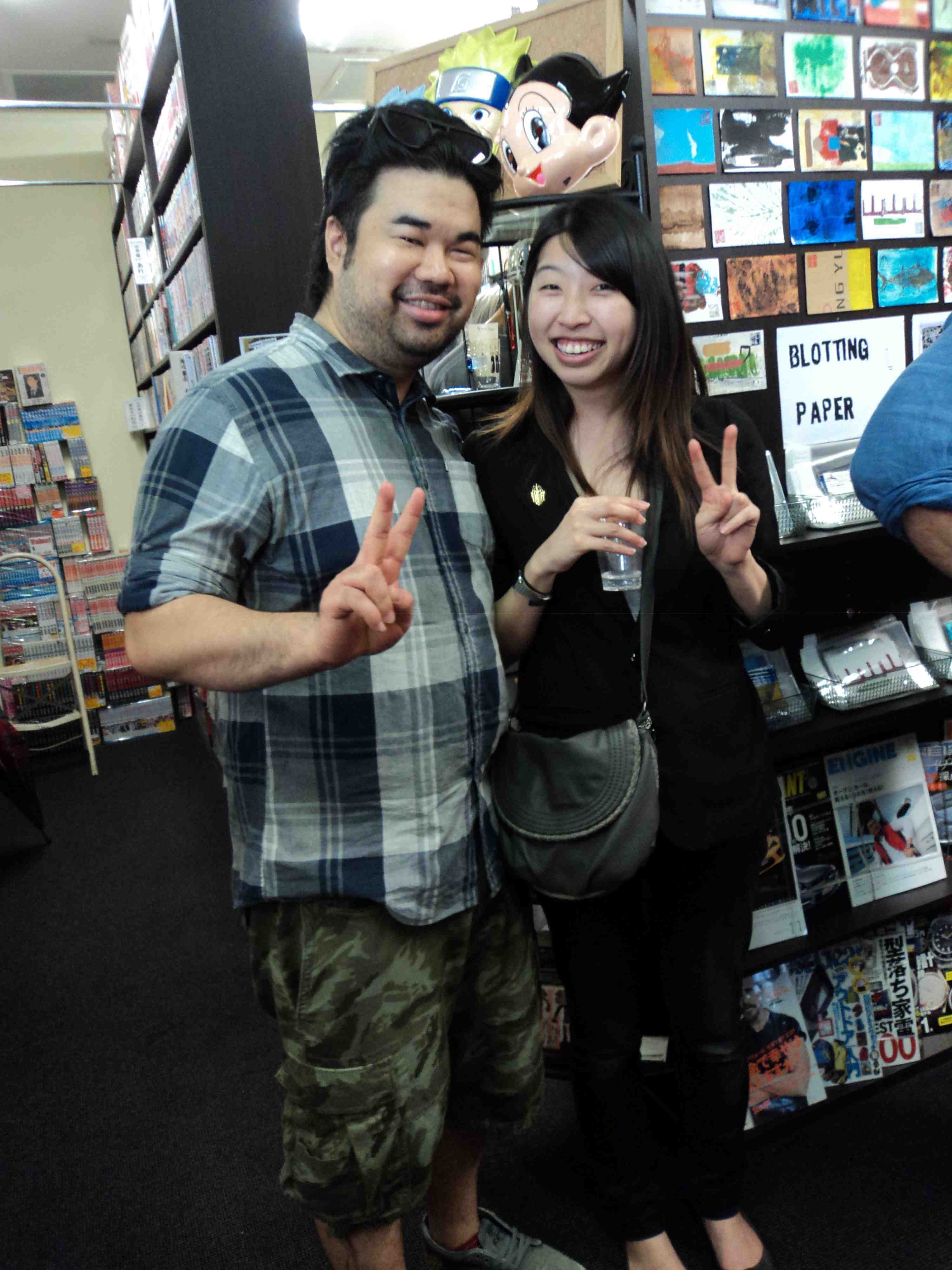
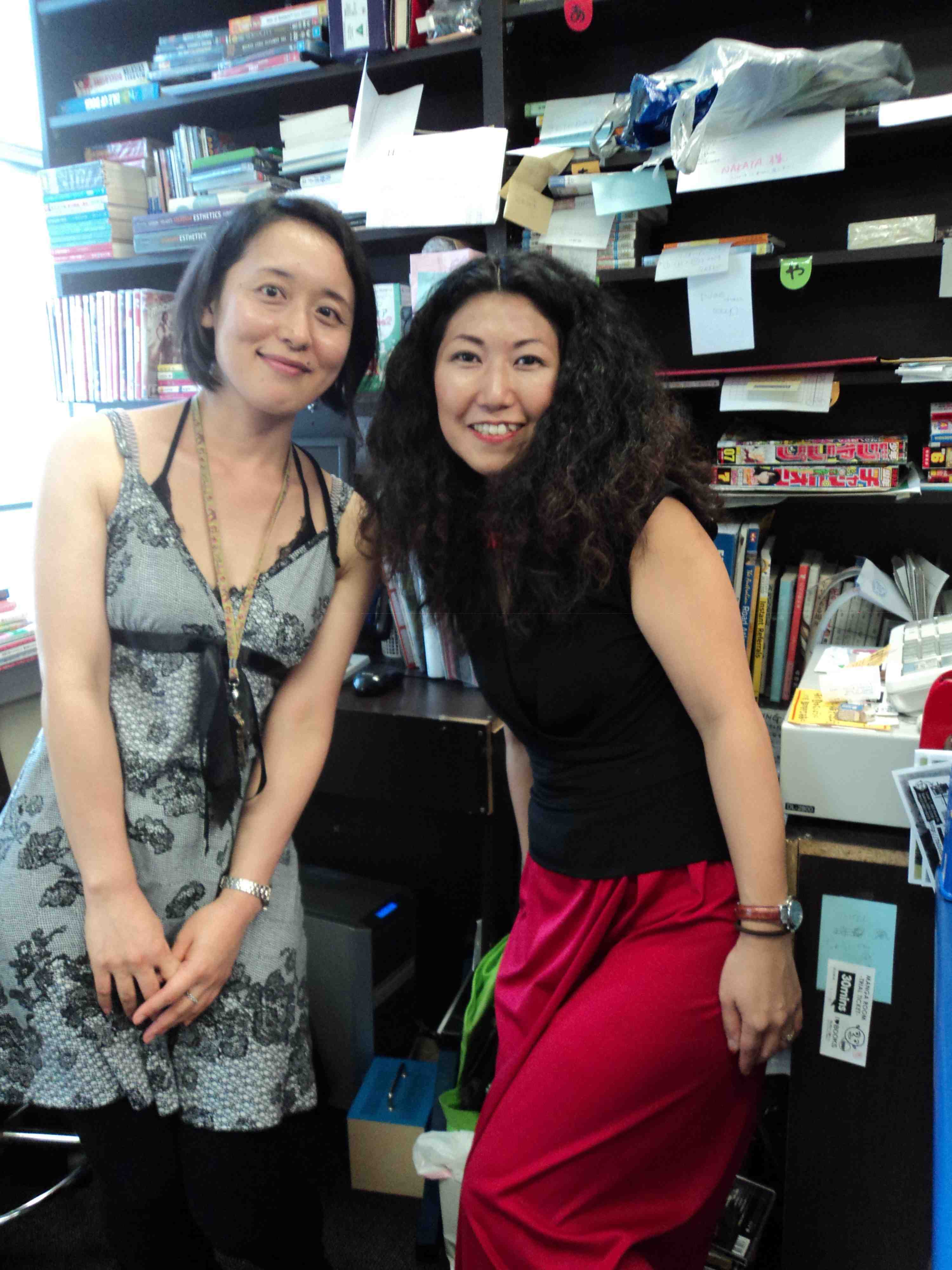
HONDARAKE Store’s fabulous owners Hisae and Tomoko. (Photo by Louise Graber)
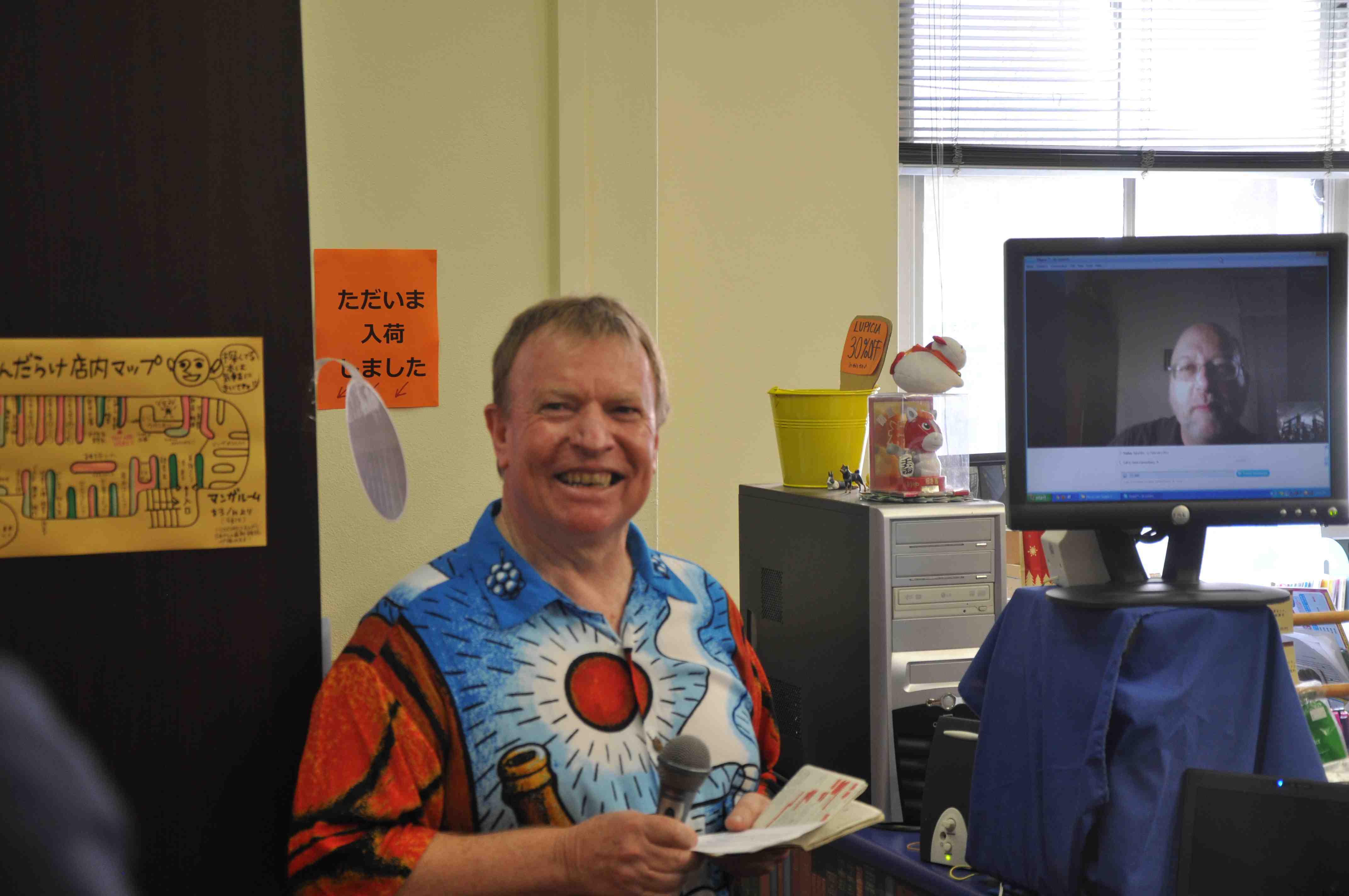
Dr. Michael Hill (a.k.a. Doctor Comics) in foreground enjoying Dr. Gene Kannenberg, Jr. (onscreen) who launched my comic and entertained with his witty matching of comics and beverages…in a live cross from New York. (Photo by Andrew Hawkins)

The book was launched by my colleague Gene Kannenberg, Jr. via Skype from the U.S.A. Noted comics historian, Kannenberg is director of ComicsResearch.org. former Chair of the International Comic Arts Festival…and the Comic Art & Comics Area of the Popular Culture Association…and author of 500 Essential Graphic Novels. He made a humorous speech and participated in a game of pairing comics with beer. What a great game! His matching including the work of creators Will Eisner, Lynda Barry, Hergé, Jack Kirby and Joost Swarte. Gene got a big response when he suggested black coffee with Steve Ditko…and Duff beer with Matt Groening, and an even bigger response when he brought his cat, Mr. Pickles, onscreen. Thank you Gene for the live TV launch! Thanks to my agent Andrew Hawkins for organising the event and store owners Hisae and Tomoko for hosting! Were you there? Send me your feedback, either about being at the launch or from reading this blog post. I would love to hear.

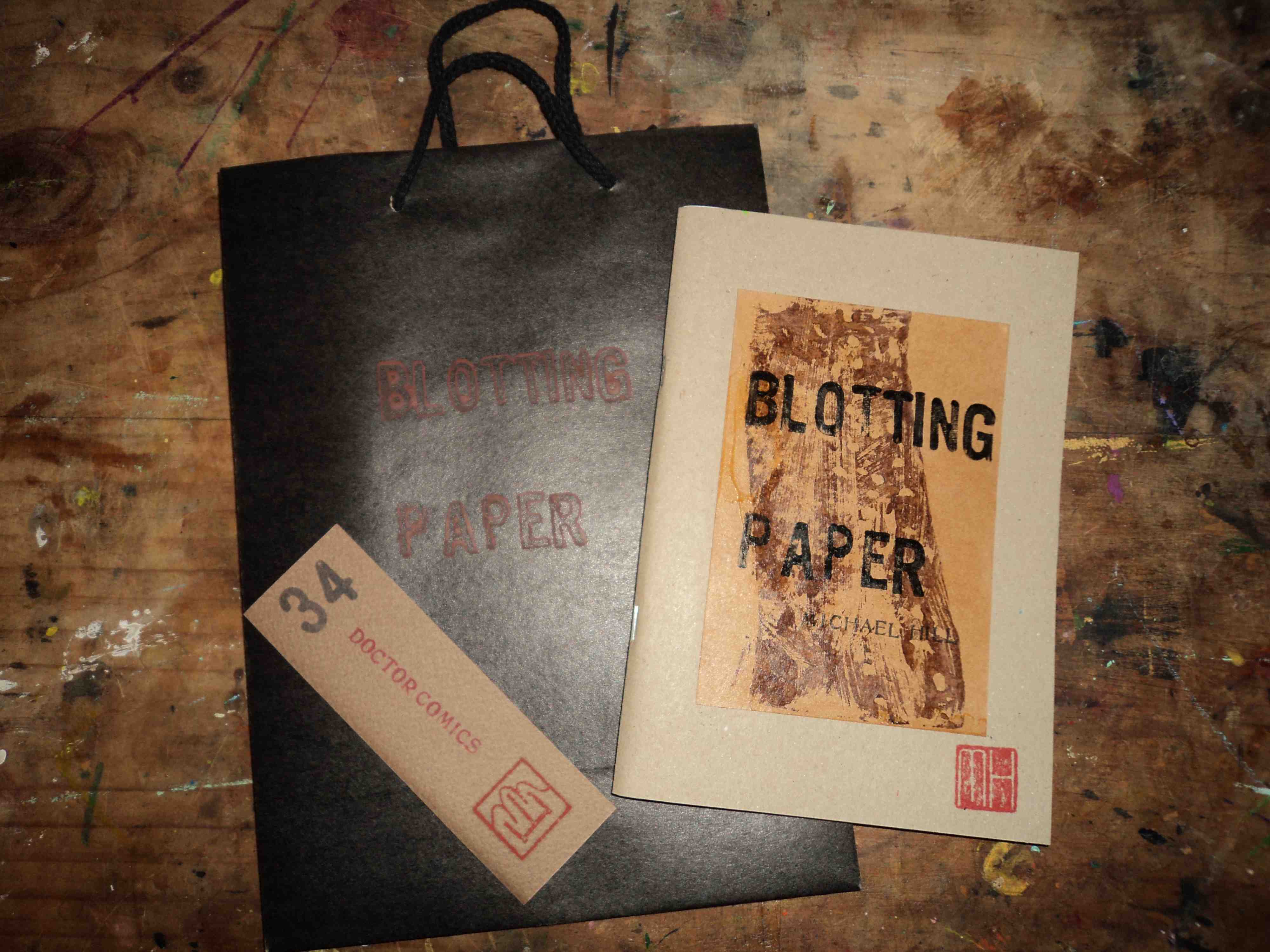
The book with original handmade print on cover. (Original print-© 2011 Michael Hill)

The limited edition numbered and signed book comes with an original print on the front cover (see photo above)…a numbered bookmark and printed bag (see photo of package below).

A double page spread from the book that shows printmaking with pieces of fish. (Drawing and prints-© 2011 Michael Hill)

Gene Kannenberg, Jr’s copy with his suggested matching drink, Ommegang Abbey Ale.
 
 
The complete package on sale.
 
 
The 33 hand made and printed art postcards. (Original prints-© 2008, 2009, 2010, 2011 Michael Hill)
Hairstyles, postcards and masks about with Richard Black and Louise Graber amused in the aisle. (Photo by Harrison Hill)

Both the art book/comic and the postcards involved printmaking as an image-making technique. I employed the Japanese technique of woodblock printmaking in my first animation film around 20 years ago. I have continued to use Japanese influenced printmaking techniques ever since. I have been involved in the scholarly and research aspects of visual communication, more so than in production. This artist’s book and the accompanying exhibition marks a more focused return to the ‘making’ of images and visual projects.

Copies of the first issue of my artist book/comic…Blotting Paper: The Recollected Graphical Impressions Of Doctor Comics…are available exclusively from the launch venue till 31 May. Hondarake Full of Books, Level 1, 465 Kent Street Sydney.  Phone: 02 9261 5225  Online: http://fullofbooks.com.au The store also stocks a selection of my handmade art postcards…each an original monoprint…signed and stamped by the artist(see displays in photos above). (All text and artwork-©2012 Dr. Michael Hill a.k.a. Doctor Comics).

BLOTTING PAPER The Comic: Production Report No.5

Art, Blotting Paper, Comics, Japanning February 4, 2012

Good news for me! The first issue of my comic Blotting Paper: The Recollected Graphical Impressions Of Doctor Comics is to be published…in a signed, limited edition. Scheduled for 11 February 2012 at HONDARAKE Full of Books in Sydney (details in the poster below). The comic will be launched by my friend and colleague Gene Kannenberg, Jr. via a Skype link from the U.S.A.  Kannenberg, a noted comics historian, is the director of ComicsResearch.org. He is former Chair of the International Comic Arts Festival…and the Comic Art & Comics Area of the Popular Culture Association…and he has written widely on comics art including the book “500 Essential Graphic Novels.”

Poster designed by Louise Graber incorporating original print by Dr. Michael Hill a.k.a. Doctor Comics.

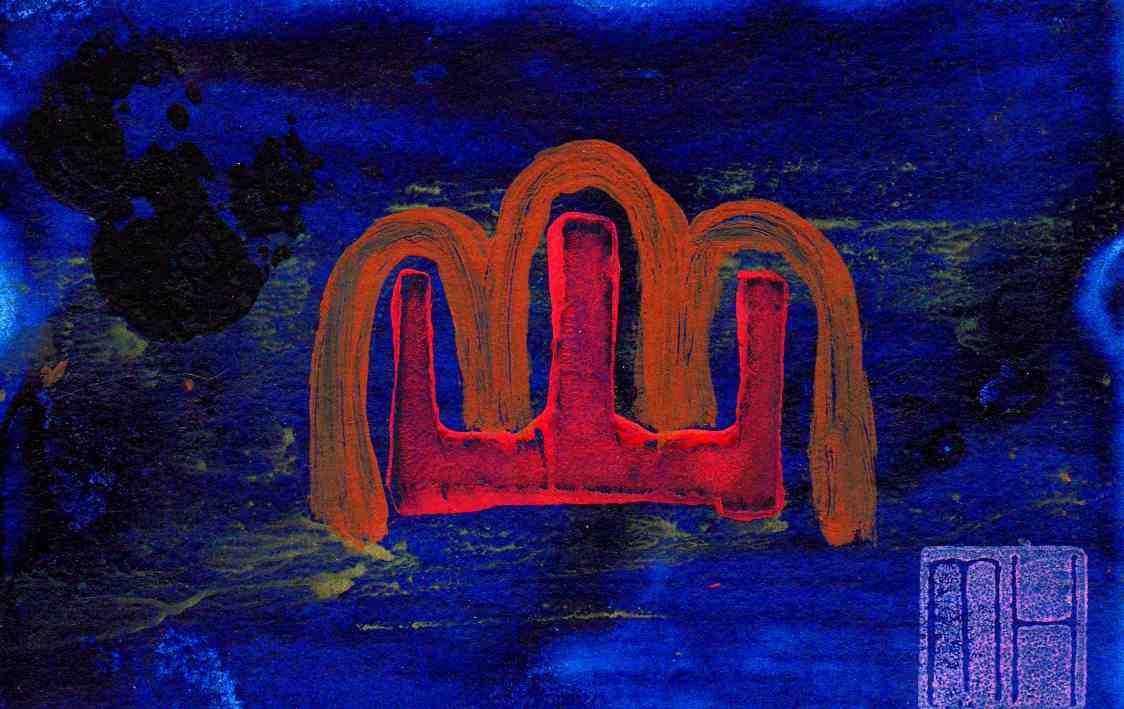
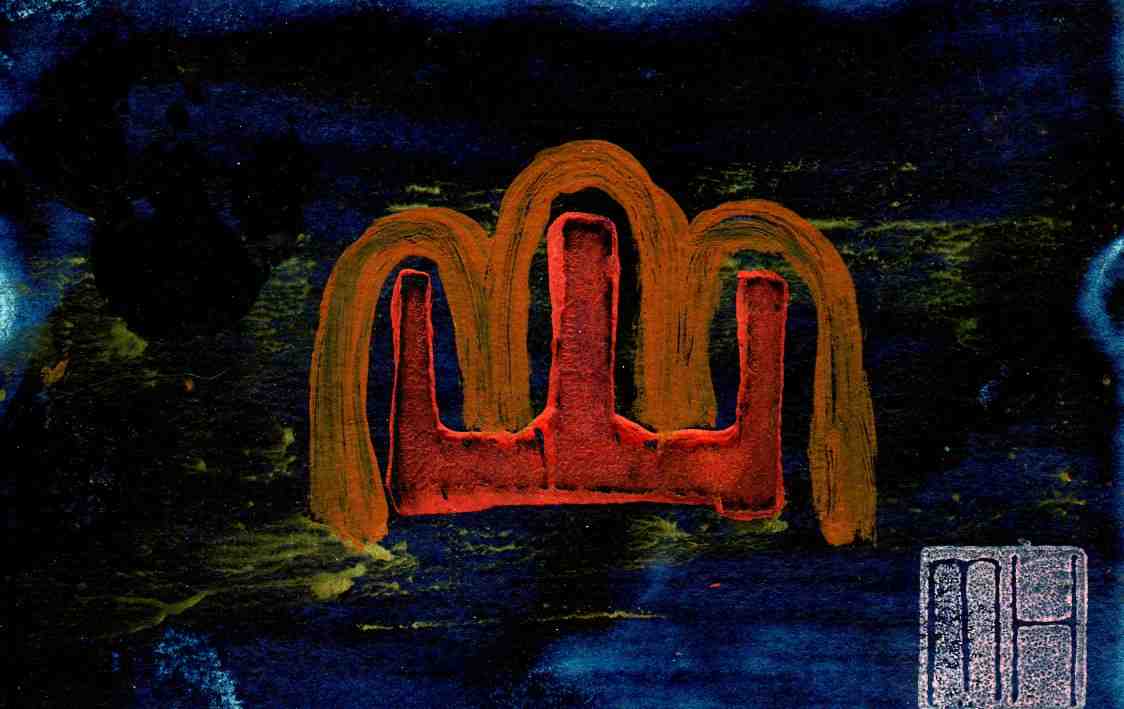
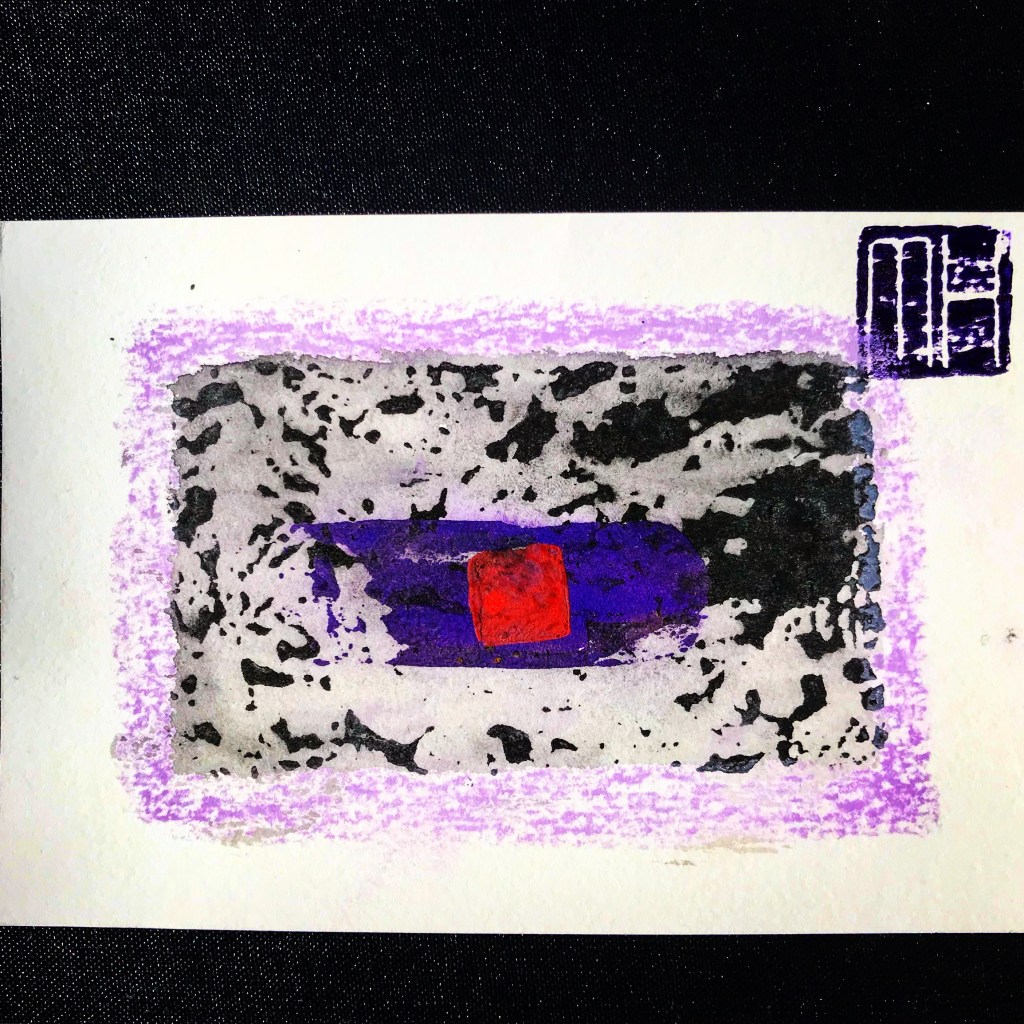
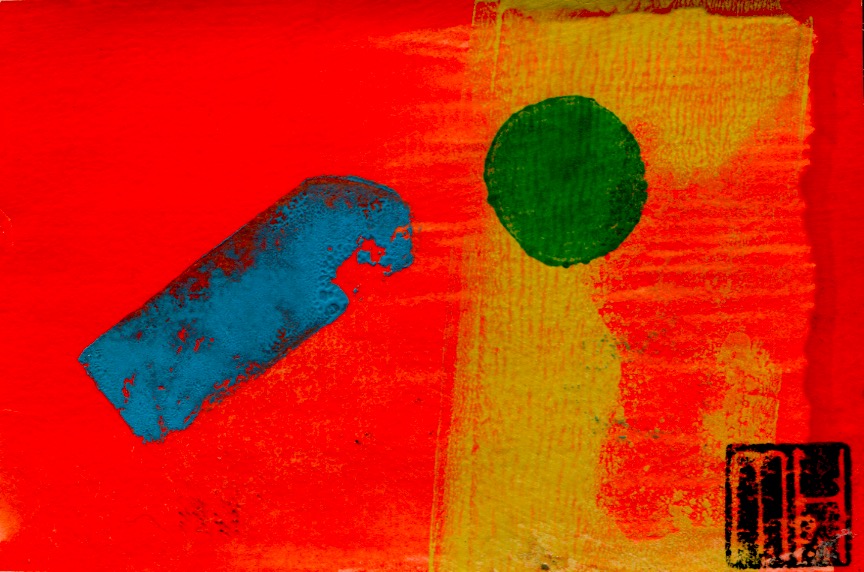
The launch will be accompanied by an exhibition of 33 of my handmade art postcards. These have been produced following the sosaku hanga ‘creative print’ style. This method originated in a movement that emerged just over a century ago in Tokyo. Creative prints became the voice of a group of artists who went under the name Pan. They met for sake parties by the Sumida River. It was the centre of the Floating World of old Edo and site of the classic Ukiyo-e print movement. James Michener wrote: “…in contrast to the classical system in which the artist merely designed the print, leaving the carving of the blocks to one technician and the printing to another, the newer print artists preached that the artist himself must do the designing, carving and printing. A new term was devised to describe such a print-sosaku hanga, meaning “creative print.” ” (Michener, 1968: The Modern Japanese Print p.11). I follow this method in my printmaking.

One of my art postcards in the associated exhibition–© 2010 Dr. Michael Hill a.k.a. Doctor Comics.
Another of my art postcards…no two cards the same…similar but different!–© 2010 Dr. Michael Hill a.k.a. Doctor Comics.

Yet another version of my art postcards–© 2010 Dr. Michael Hill a.k.a Doctor Comics.

A different art postcard, similar but not identical–© 2010 Dr. Michael Hill a.k.a. Doctor Comics.

A different art postcard–© 2010 Dr. Michael Hill a.k.a. Doctor Comics

Another art postcard…not included in the exhibition accompanying the launch–© 2010 Dr. Michael Hill a.k.a. Doctor Comics.

An art postcard from my Abstract No.11 series-© 2007 An early effort in my series of making art postcards.

(Pen and ink drawing and collage-© 2011 Dr. Michael Hill a.k.a. Doctor Comics)

Above is a collage of 4 separate pen and ink/felt-tipped pen drawings. These separate drawings have been collaged together: (1) Sydney Harbour Bridge. (2) rear view of Doctor Comics walking (3) hand holding bag (4) hand inserting key in door. These drawings will be included in the first issue of the comic. The drawings are from different pages in the comic but have been brought together in this collage…and have been overlaid in the same graphic space. This grouping forms a visual sign or motif for promotion of the comic. I would love to read feedback on this and my other posts.

(All text, photos and artwork except where otherwise stated-©2012 Dr. Michael Hill a.k.a. Doctor Comics).
Archive of Australian Alternative Comics: INTERNATIONAL EXHIBITION OF DRAWINGS-COMICS

Archive of Australian Alternative Comics, Art, Comics January 12, 2012

Thirteen years ago the 14th International Exhibition of Drawings opened at the Museum of Modern Art in Rijeka, Croatia. It ran from 17th December 1998-20th March 1999. It was devoted to comics. I had been invited to contribute to the curation of the show…based on the research into comics art that I was undertaking at the time… following a referral from Professor Joan Kerr of Australian National University…I selected and sent 13 works by 14 creators…I also wrote an essay The Australian Underground. It was published in the exhibition catalogue in both Croatian and English…here is a short extract:..”In its own small way the underground comics community not only contributes to the visual cultural life of Australia but also to an understanding of it. It adds to the ongoing critique of Australian culture and provides a healthy and relatively unregulated creative outlet. From its position on the margins its critical viewpoint is expressed with great humour. ‘Taking the piss out of things’ would seem an appropriate and very Australian way of describing it.” (extract) Dr. Michael Hill

Cover of the exhibition catalogue. Design by Mirko Ilić, drawing by Davor Vrankić
The Comic Messiah by Q-Ray (Clint Cure), 1998, ink on paper.

Other artists in this exhibition included: Max Andersson, Enki Bilal, Guido Crepax, Will Eisner, Jason(John Arne Sæterøy), Henry “Hank” Ketcham, Brant Parker, Hugo Pratt, Quino, Bryan Talbot, Mort Walker and Song Qing Zhu (Gao Diao). It was wonderful to see the work of emerging Australian creators displayed alongside these established international comics art creators. I’d love to hear your comments and comparisons of their graphic styles.

Black Light Angels by Louise Graber, 1998, ink on paper.
Blackie’s last day by Tony Single, 1994, pencil, felt pen, ink on paper.
Upward + Onward by Damien Woods, technical pen and felt pen on photocopy paper.
Lightning Strike by Mandy Ord, 1998, ink on paper.
Radiation Sickness by Ross Tesoriero, 1997, ink on paper.
Ah-choo by Neale Blanden, 1997, combined technique on paper.
Jean and Rolly by Timothy John Danko, 1995, collage on paper.
Kurt Hurt’s Reasons to Draw Comix by Stuart Stratu, 1997, ink and whiteout on paper.
Francis Bear by Gregory Mackay, 1998, ink on paper.
Stranger Danger by Ryan Vella, 1997, ink on paper.
Bernard Caleo and Tolley-The False Impressionists, 1997-combined technique on paper.
The False Impressionists by Bernard Caleo and Tolley, 1997, combined techniques on paper.
The Killer Foetus by Ben Hutchings, 1997, combined technique on paper.

It was most significant for my research into Australian comics art to be included in this international exhibition of drawings. In the meantime, I’m endeavouring to establish a minimum three week gap between posts. Perhaps I was a little too enthusiastic in my first year of blogging but I am working on improved scheduling. As always, I would love to hear your response to my posts. This post is the fifth in the series Archives of Australian Comics History…that document moments in the recent history of Australian comics… particularly alternative comics and the Australian Small Press. I started researching this subject in the late 1990s and it eventually led to my PhD thesis: Ph.D. Macquarie University, Division of Society, Culture, Media and Philosophy… A Study Of Contemporary Australian Alternative Comics 1992-2000 With Particular Reference To The Work Of Naylor, Smith, Danko And Ord, 2003. On completion of the research I donated the research materials and comics I had collected to the National Library of Australia, titled the Michael Hill Collection of Australian Comics

(All text-©2012 Dr. Michael Hill a.k.a. Doctor Comics).

FLYING THE ANIME FLAG ON TREASURE ISLAND

Art, Comics, Film, Japanning November 14, 2011

Last month I spent a wonderfully productive week in Fiji…on behalf of the Japanese Embassy and the Japan Foundation in Sydney…to present a lecture and workshop at the School of Arts, Language and Media, University of the South Pacific. I also introduced films at an Anime festival held there. It was part of Japan Culture Week 2011 in Suva, the capital city on the largest of the 300 islands. It seemed like an act of cultural colonisation…with the raising of the Anime and Manga flags and the flying of their colours on Treasure Island…creating a little Anime and Manga paradise in the Pacific Ocean.

Lecturing on the global spread of Japanese pop culture in the 1980s. (Photo by Louise Graber)
Dr. Michael Hill at the University of the South Pacific in Fiji…presenting a slide lecture for the Japan Foundation on the global spread of Japanese pop culture in the 1980s. (Photo by Louise Graber)

My lecture titled Up In The Air: Anime’s Journey To The Stars described the global success of Japanese animation…and its rise to prominence both in the film world and in popular culture. It covered the work of Osamu Tezuka and its international success. It also referred to Rintaro’s involvement with him as an animation director on Astro Boy…prior to his subsequent productions that included his Tezuka homage film Metropolis…his adaption of Leiji Matsumoto’s manga Galaxy Express 999, and of Sanpei Shirato’s manga The Dagger of Kamui. Describing Shirato’s beginnings as a kamishibai artist…before moving to manga and the alternative publication GARO…the lecture included anecdotes from my time as a lecturer at Sydney College of the Arts…and the University of Technology, Sydney where I observed the growing interest of students in Japanese popular culture. They became fascinated with manga, Anime, cosplay, fashion,…J-Pop, scanlations, computer games…cameras, turntables, TV game shows,…food and fashion, not to mention learning Japanese and visiting Tokyo. The lecture concluded with an analysis of the productions…and the rise to prominence of Hayao Miyazaki and Studio Ghibli…who, like Tezuka, found both both an international audience and critical acclaim.

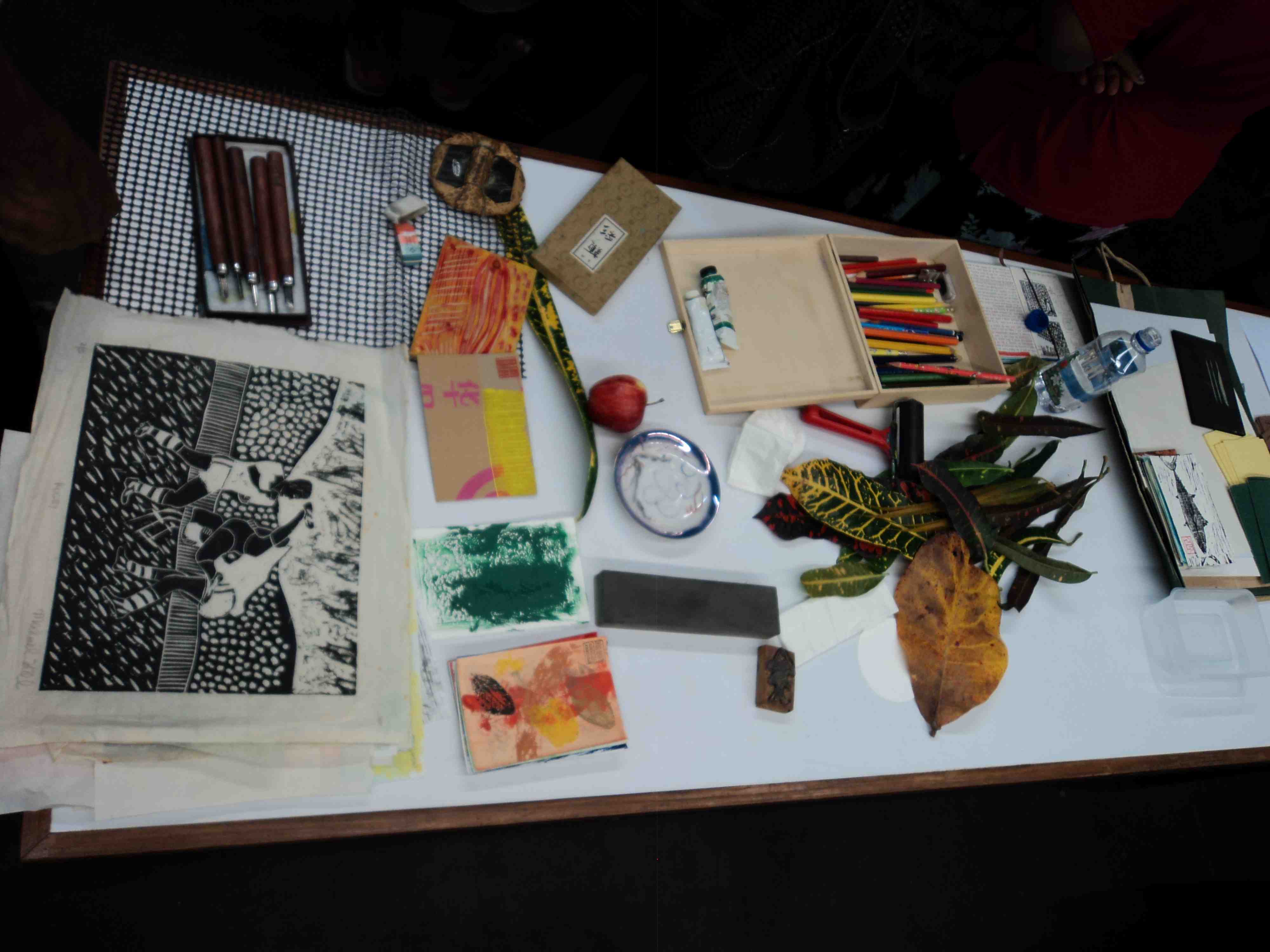
The tools and materials for the printmaking workshop. My Rugby woodblock print is on the table alongside some of my art postcards and printmaking tools. (Photo by Louise Graber)

In addition to the theory lecture I presented a practical arts workshop…demonstrating the printmaking technique I had developed as part of my artistic practice. Based on the Japanese creative print movement Sosaku Hanga,…and the work of Koshiro Onchi and Shiko Munakata  in particular. I showed examples of my work that had been made using this approach and methodology…and applied to my prints, postcards, T-shirts and comics.

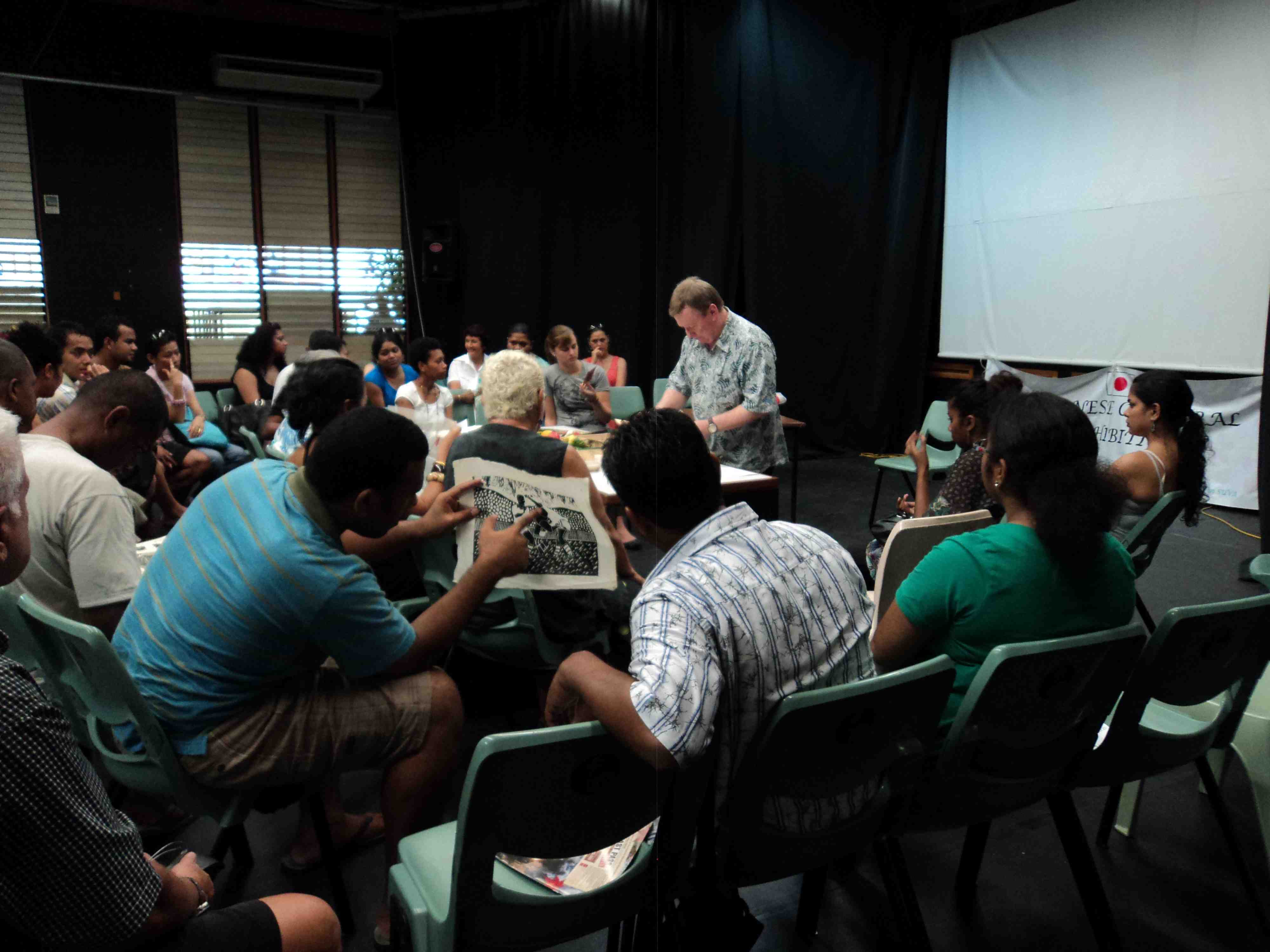
Dr. Michael Hill teaching printmaking techniques to students of the University of the South Pacific. In the foreground his Rugby themed woodblock print is being studied. (Photo by Louise Graber)

After the demonstration the students had the opportunity to make their own prints. By chance, the cultural activities took place in the same week as the Rugby World Cup finals…and the only paint colours to hand were those of the Wallabies, yellow and green. My own rugby woodblock print (being passed around the class, in the photos above) provided some amusement and interest.

The ‘sosaku hanga’ creative printmaking workshop. (Photo by Louise Graber)

Downtown, on the roof of the Village Cinema complex Batman and Spiderman look down…intrigued at the sight of people going in to see the Ninja super hero Kamui. It was here that the Anime Film Festival was held each evening. Films screened included Galaxy Express 999…The Dagger of Kamui…Laputa: Castle in the Sky and The Girl Who Leapt Through Time. Anime is now a fixed part of the Japanese cultural coat of arms…emblematic of the country’s long history of graphic arts which feeds into and nurtures both Anime and manga. The week long festival of Anime films and supporting cultural events was an alternative offering to American movies…and helped spread Japanese popular culture in the South Pacific.

Village Cinema Centre, Suva, with superhero cinema on the screens. (Photo by Louise Graber)


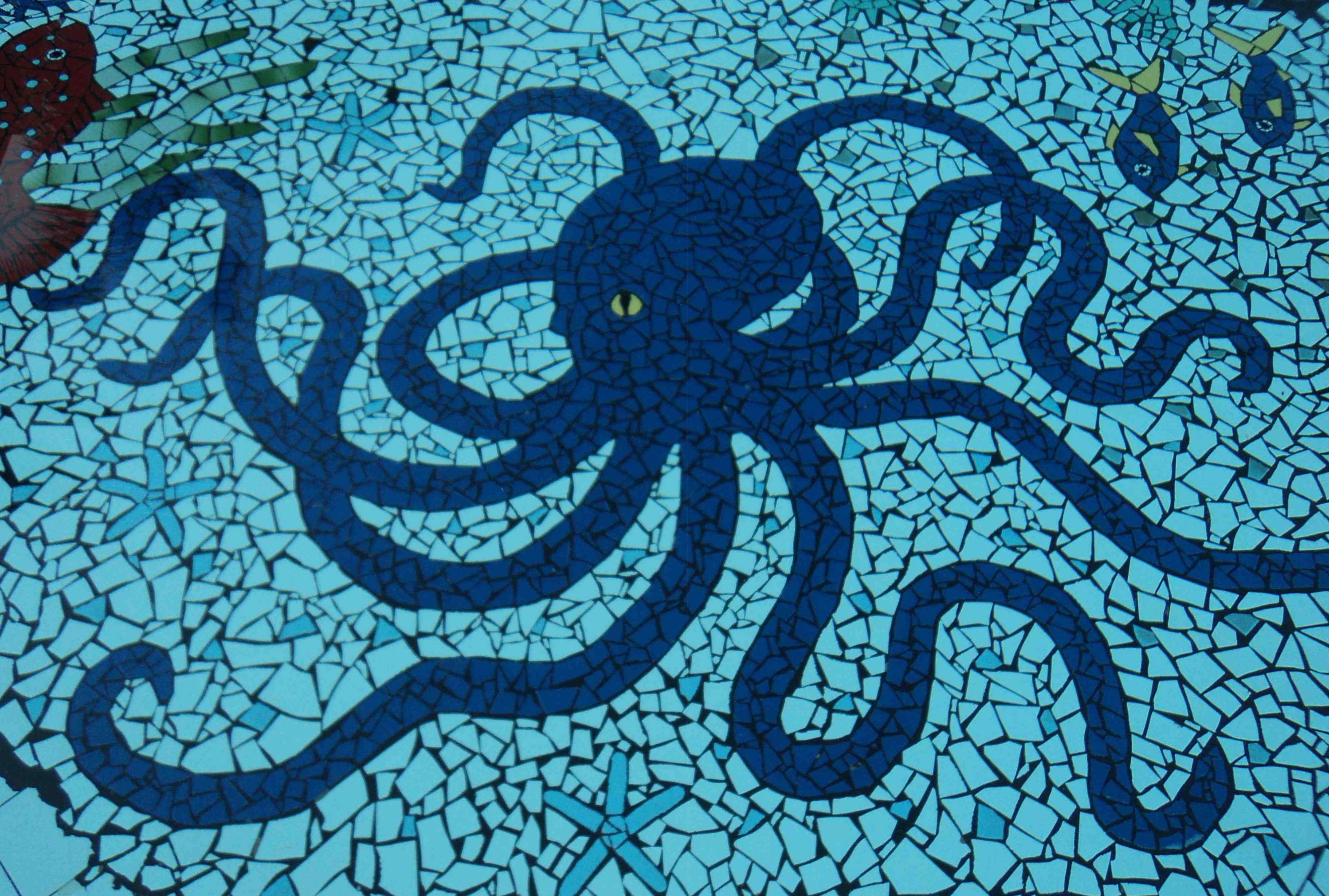
In the hotel pool in Nadi, my friend the octopus. (Photo by Louise Graber)
At the bottom of the hotel pool in Nadi, the elegant octopus tile design. (Photo by Louise Graber)


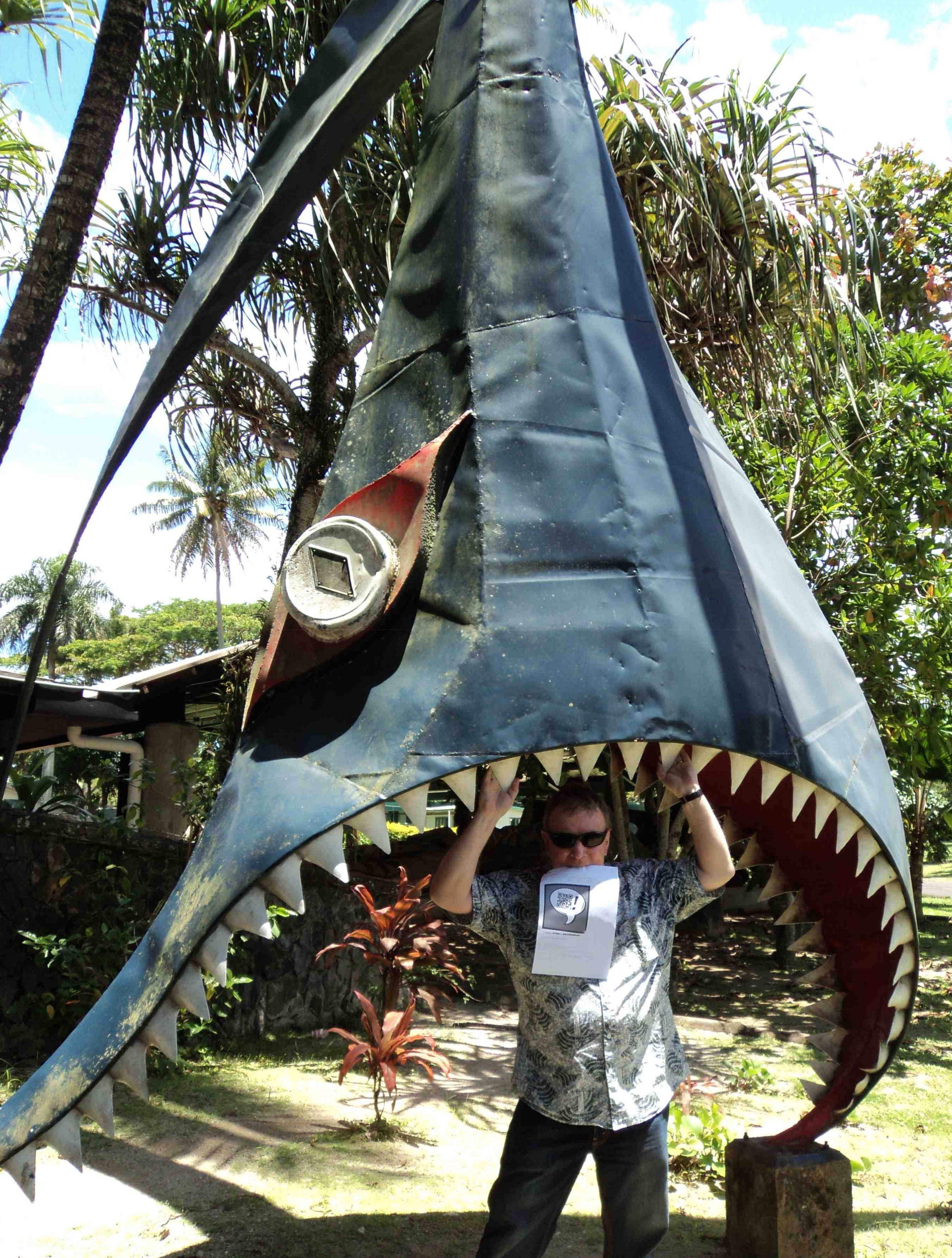
Doctor Comics in  shark jaws at the University of the South Pacific. (Photo by Louise Graber)
Dr. Michael Hill a.k.a. Doctor Comics playfully poses in shark jaws at the University of the South Pacific in 2011. (Photo by Louise Graber)


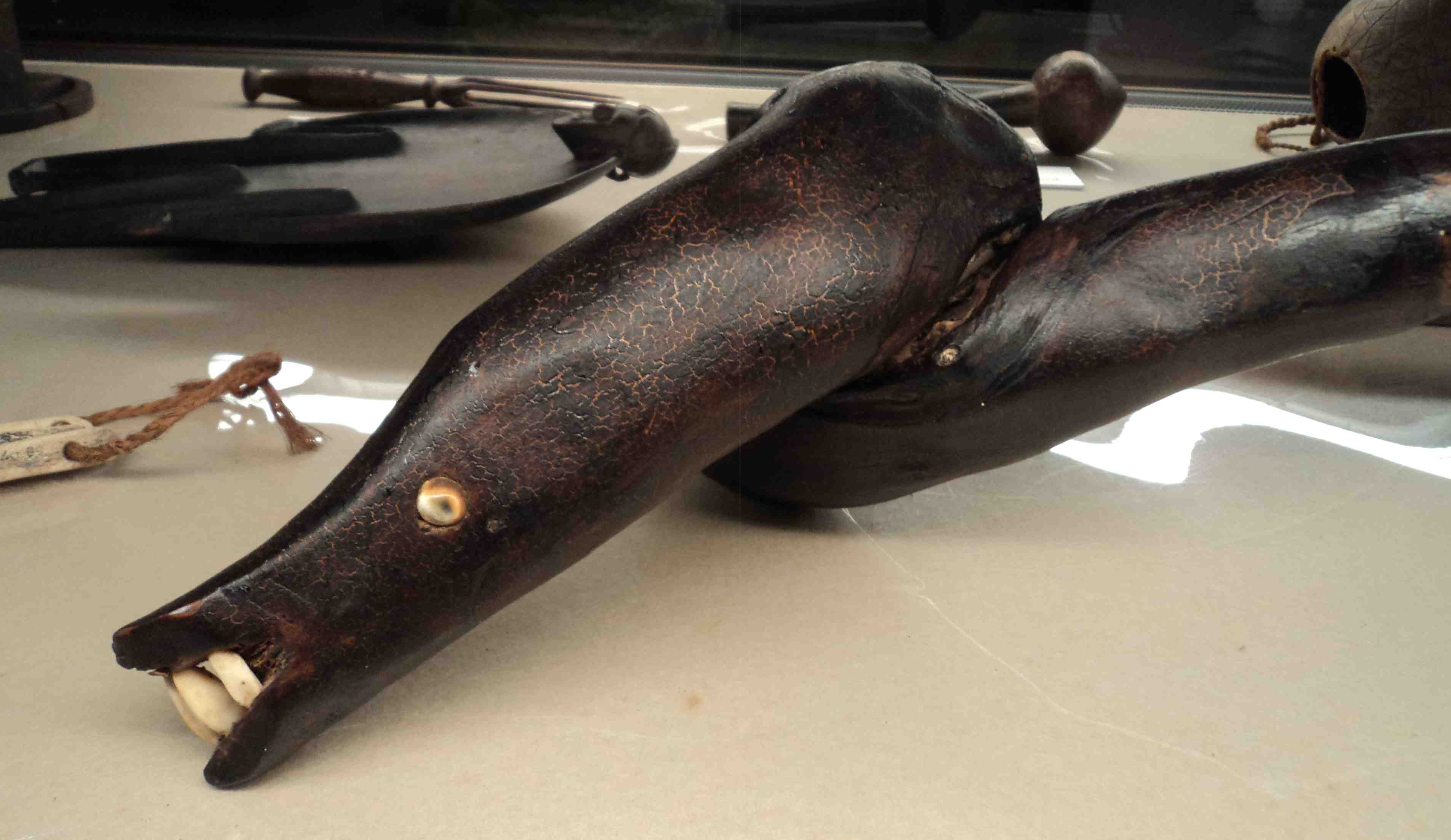
In the Fiji Museum in Suva, the Eel God sacred club. (Photo by Louise Graber)

In addition to my admiration of the octopus and various fish I am also a fan of the eel. During my Fiji visit I was pleased to find that the eel had acquired the status of a deity…and a creative one at that…in Melanesian mythology. Below is an artwork I had created, featuring eels once found in the Parramatta River near Blacktown in Sydney.

My own eel art work(print, painting and collage-© 2009 Michael Hill).
My impression of the freshwater eels once found and fished in the Parramatta River near Blacktown, Sydney…a mixture of printmaking, painting and collage-© 2009 Dr. Michael Hill a.k.a. Doctor Comics.

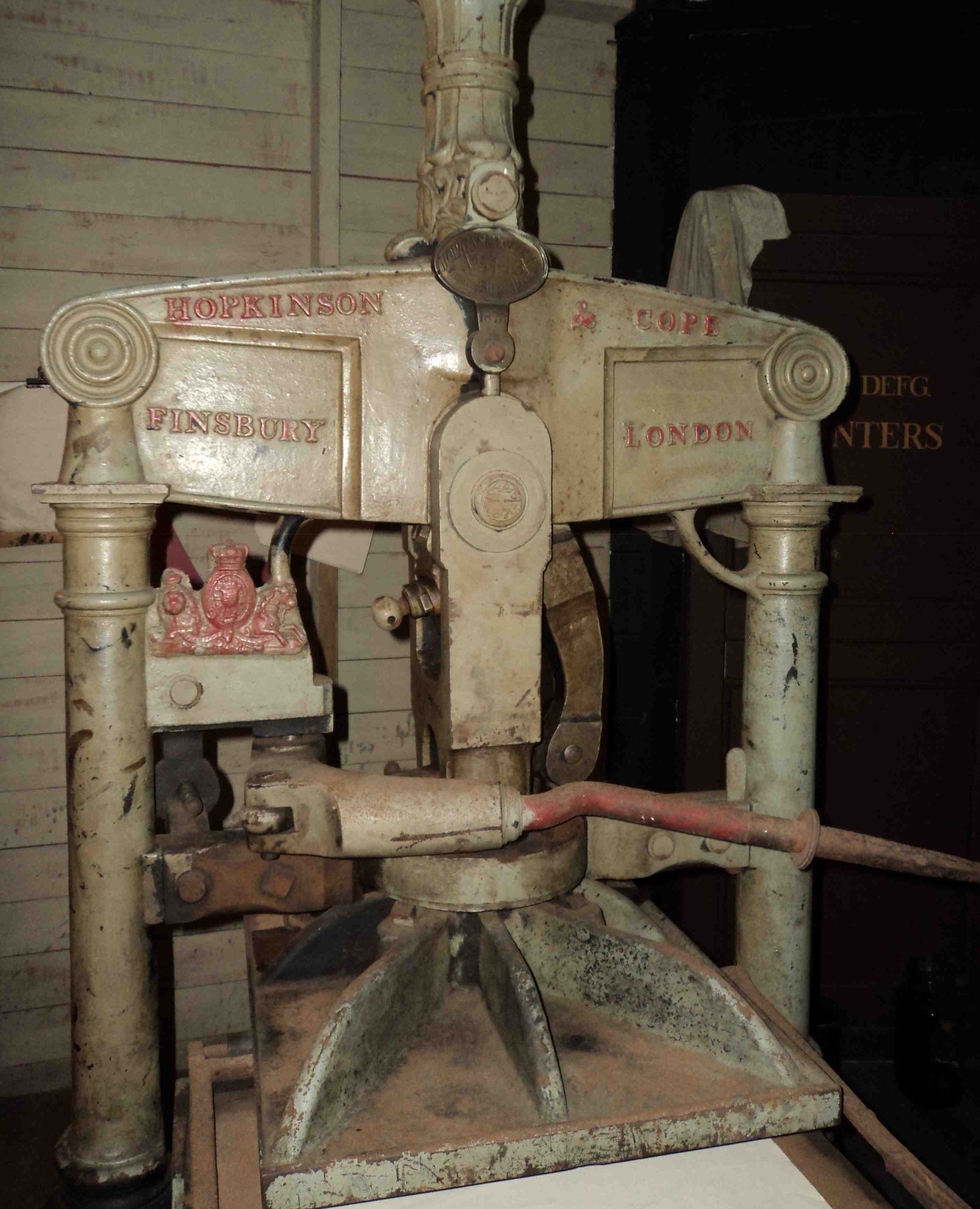
Another treasure inside the Fiji Museum was this old metal Hopkinson & Cope printing press…imported from England in earlier days. At my printmaking workshop in Suva I demonstrated an alternative, Japanese method…that employs one’s body weight as a press instead of a device such as this.

Old metal, pre-digital printing press. (Photo by Louise Graber)

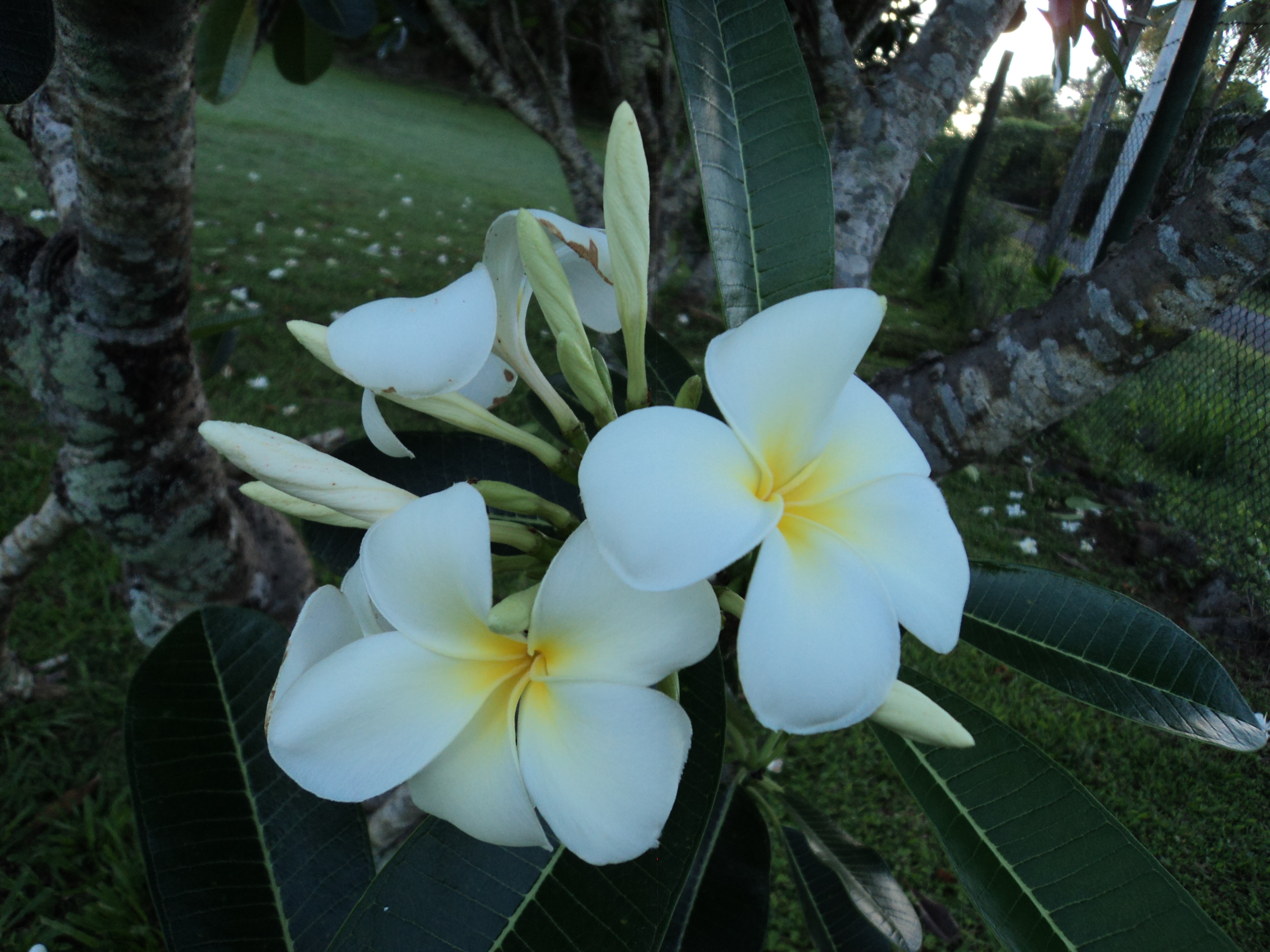
On this “Treasure Island”…in addition to the art and marine life…there were collections of coconuts, palm trees and flowers including red hibiscus and white frangipani.

Big frangipani presence on the island. (Photo by Louise Graber)
An example of the abundant frangipani presence on the island. (Photo by Louise Graber)

Many thanks to Sayuri Tokuman and Susan Yamaguchi of the Japanese Studies & Intellectual Exchange Department…and Tokiko Kiyota, Director of the Japan Foundation in Sydney…and to Nobuko Iwatani, Mako Nakauchi and Mele of the Embassy of Japan in Fiji..and His Excellency Yutaka Yoshizawa, Ambassador of Japan, for their ideas, assistance and support with this project.

INVITATION: Please respond to this post if you would like to make a comment…or suggest topics for future posting. Being new to blogging I would love to hear any feedback about my posts. Are they too long?…have too many images?…or too much text?…or there are too many of them?…or not enough? Michael.

Dr. Michael Hill aka Doctor Comics.

(All text-©2011 Dr. Michael Hill a.k.a. Doctor Comics).
BLOTTING PAPER The Comic: Production Report No.4

Art, Blotting Paper, Comics November 2, 2011

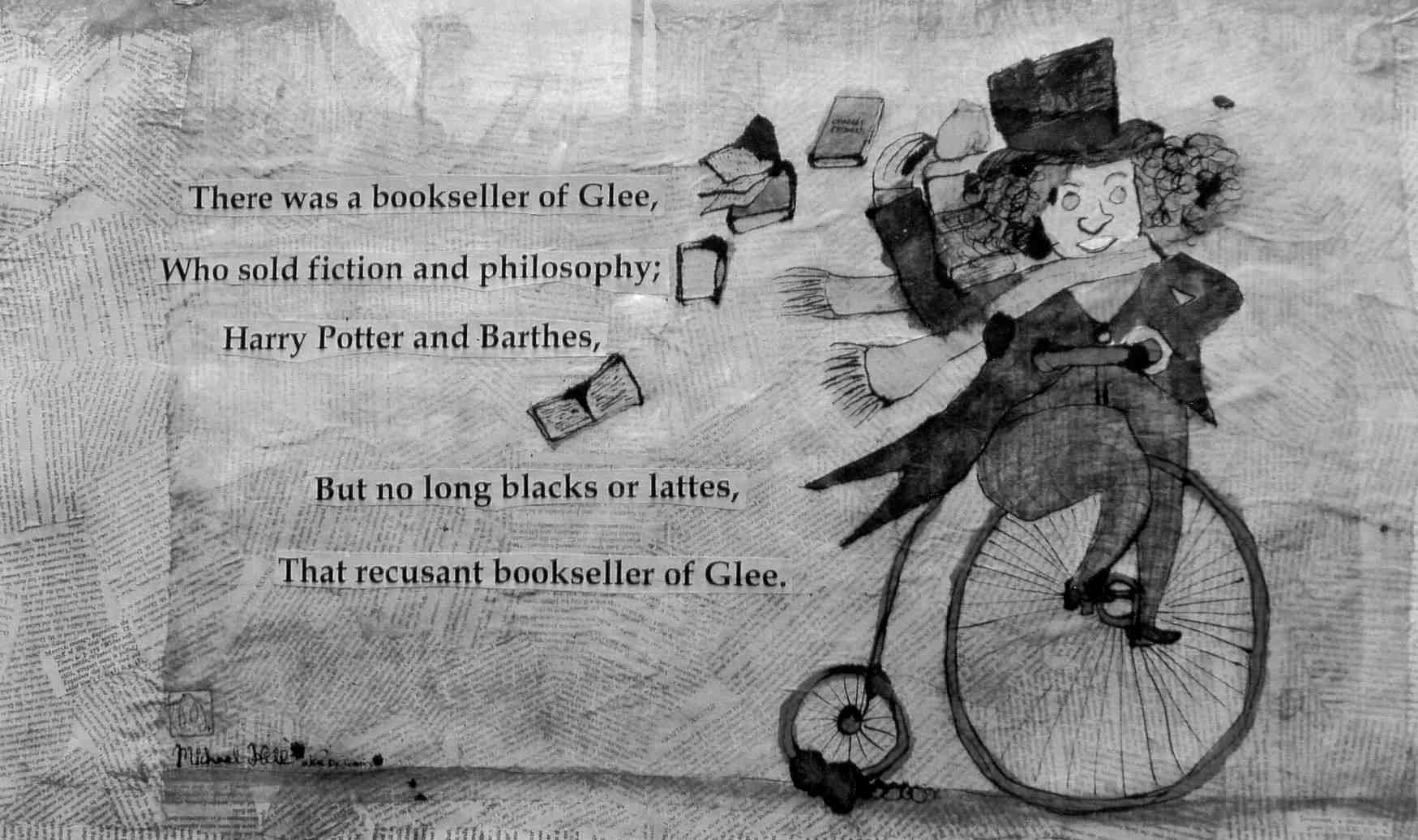
There are books, cats, fish and the occasional bicycle that appear in my comic…the one which I am currently in the process of creating. The title is BLOTTING PAPER. The principal character, Doctor Comics, is an alias of mine…an avid reader and collector of comics. He has two pet talking cats who also read comics, preferably graphic novels, and who regularly eat fish…sometimes these two activities are combined…despite the good doctor’s distaste of stains on his comics fish is a favourite dish of the Doctor’s, too,…but not whilst reading comics! The first chapter refers to books and comics, including graphic novels, both cats and one fish. The location, Glee, is a fantasy label for Glebe, the suburb of Sydney in which I live. It is a bookish suburb near the academic precinct…Sydney University, the University of Notre Dame and the University of Technology, where I work. Being tertiary education territory it has several bookshops, cafes, restaurants and pubs…and is within walking distance of the Sydney Fish Market…which is of special interest to the Doctor Comics character and his cats. I go there often, myself but leave the cats at home. The Bookseller of Glee (below) is a portrait of Roger Mackell, the proprietor of one such bookshop, Gleebooks…and a good friend of mine. Doctor Comics shops at and occasionally writes reviews of graphic novels for this bookstore. The proprietor refuses to sell coffee and cakes! With the emerging trend of cafes in bookshops, I wonder how long he will manage to hold out?

The Boookseller of Glee. (Pen and ink, drawing and collage-© 2009 Dr. Michael Hill a.k.a. Doctor Comics). This is the original colour art work. A Black & White print of it will appear in the comic (below).
The Boookseller of Glee. (B&W print of pen and ink, drawing and collage-© 2009 Dr. Michael Hill a.k.a. Doctor Comics)
Two of the fish featured in the story. (Digital scan of woodblock prints-© 1998 Dr. Michael Hill a.k.a. Doctor Comics)

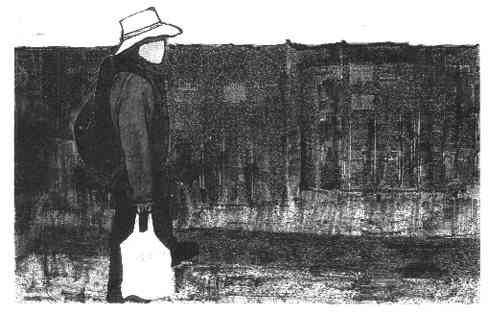
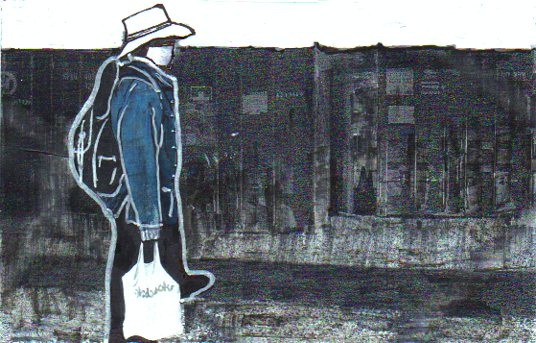
In addition to drawing, cartooning and printmaking, photography is being incorporated as a graphic tool. Below are two photographs from the Sydney Fish Market that have been graphically manipulated and merged…one of stacks of shipping containers…the other of me shopping with a bag of fish that I have purchased. The photographs were subjected to a graphic treatment then collaged together…to show Doctor Comics returning from his shopping expedition. He is carrying a bag of fish and wearing a backpack which is full of books and comics .

Doctor Comics has been shopping. (Photo by Louise Graber overlaid with my graphic treatment-© 2011 Dr. Michael Hill a.k.a. Doctor Comics)
Hand coloured version. (Photo by Louise Graber overlaid with my graphic treatment-© 2011 Dr. Michael Hill a.k.a. Doctor Comics)

Despite the intention and the progress made…it is now looking likely that the first issue of my comic won’t be published this year after all. It is nearing completion, however, and I feel certain that I shall have something to show in early 2012. In the meantime there are these blogged progress reports. The shape of the comic continues to move in an “artist book” direction. It retains some semblances of an art comic, and an Australian one at that, despite some Japanese influences. The figure in the overlaid drawings below, is the older Doctor Comics character, doing some printmaking in his studio. It goes on!

The comics art scholar turns his hand to making comics. (Felt-tipped pen drawing-© 2011 Dr. Michael Hill a.k.a. Doctor Comics)
Trying out letter type. (Photo by Louise Graber)

There has also been some script editing. This has resulted in both extensions and deletions. I found that I needed more space to convey some sequences which weren’t working…and other parts were either too difficult or time-consuming for me to draw!

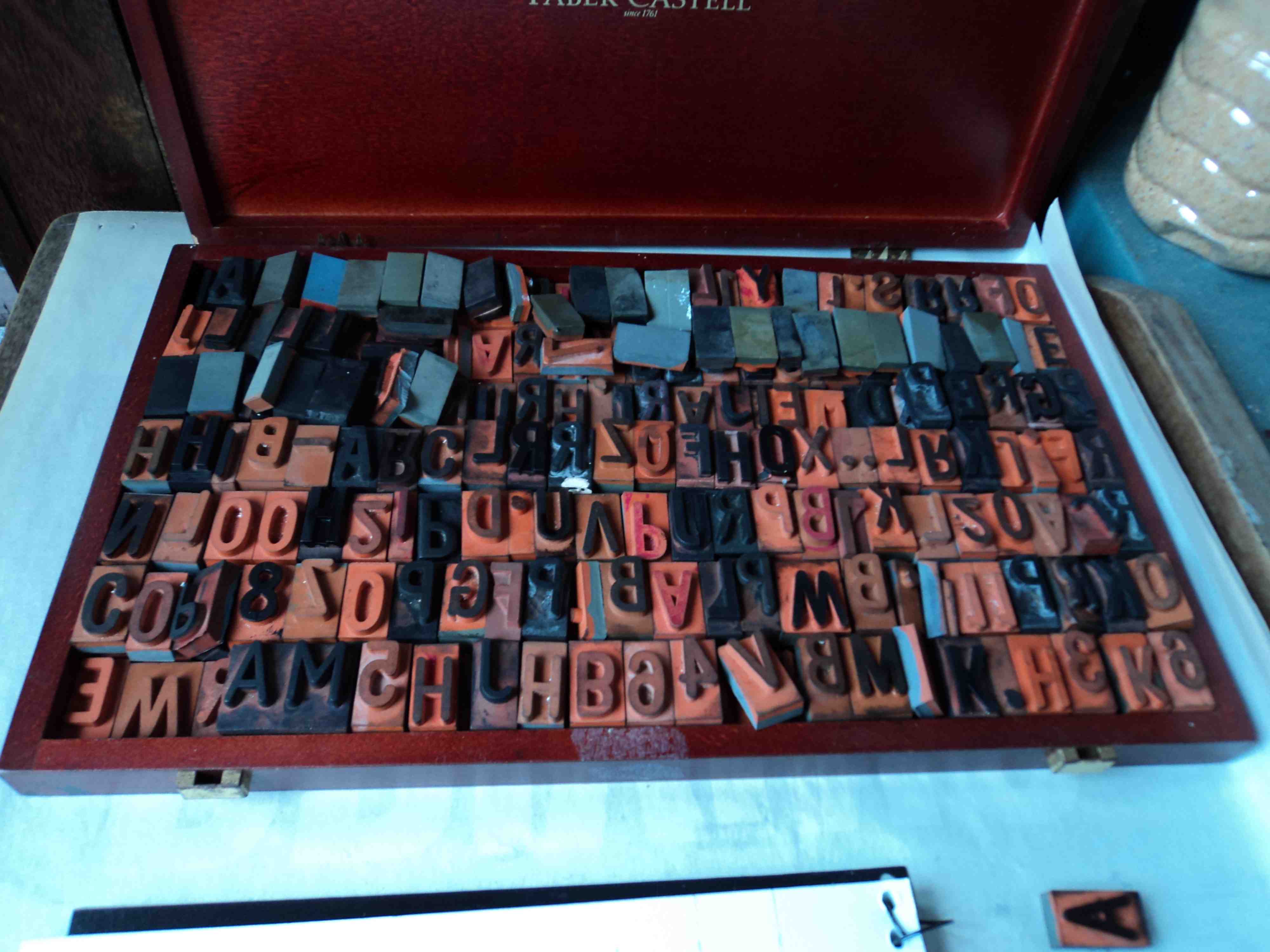
My box of uppercase rubber type. (Photo by Louise Graber)
The type in rubber-stamped, printed form prior to editing, cutting and pasting.

The other interesting development has been the photographic aspect of the project. Initially employed as a reference device for locations, objects and figures, photography has now become more prominent. Some pages are starting to look a little like sequences from a Mexican foto-novela or picto grafia comic. This was not my original intention. There remains, however, the anticipated drawn and printed elements along with the traditional rubber-stamped text (see the photos above). I hope to confirm the completion of the first issue and announce its publication date, shortly…but I won’t hold my breath, Michael.

(All text, photos and artwork-©2011 Dr. Michael Hill aka Doctor Comics).