This is a further report on the production of my graphic novel Blotting Paper. This post focuses on print layers used to create the cover design. Planned for the first issue but not used until the second here are some images of the printmaking procedure.

The type was assembled in reverse so that it read the right way when printed. A plywood block was used as a base and the rubber letters glued onto it.


Working in a small studio I had no bench space for drying. Letting the prints dry outside on the ground in the Spring sunshine proved a fast way to obtain the dryness. The prints were vulnerable to a breeze and were blown into the grass and garden.
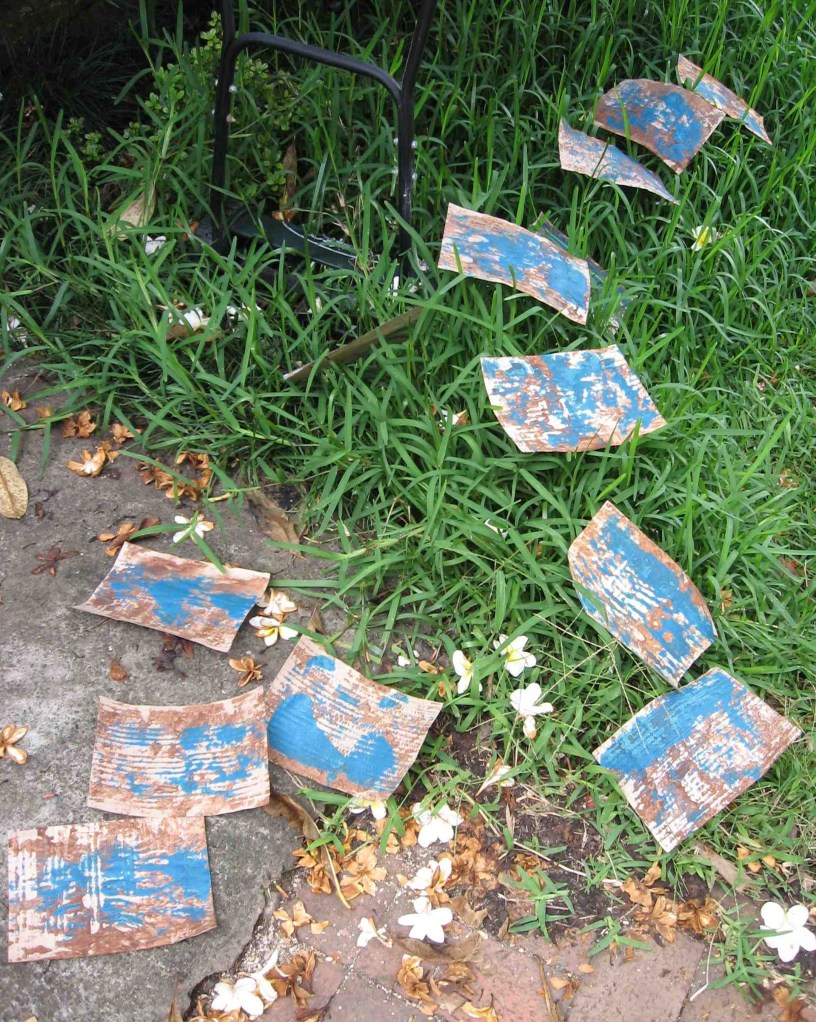
I didn’t mind if some of these wind blown wet prints landed face down on the grass and were smudged.
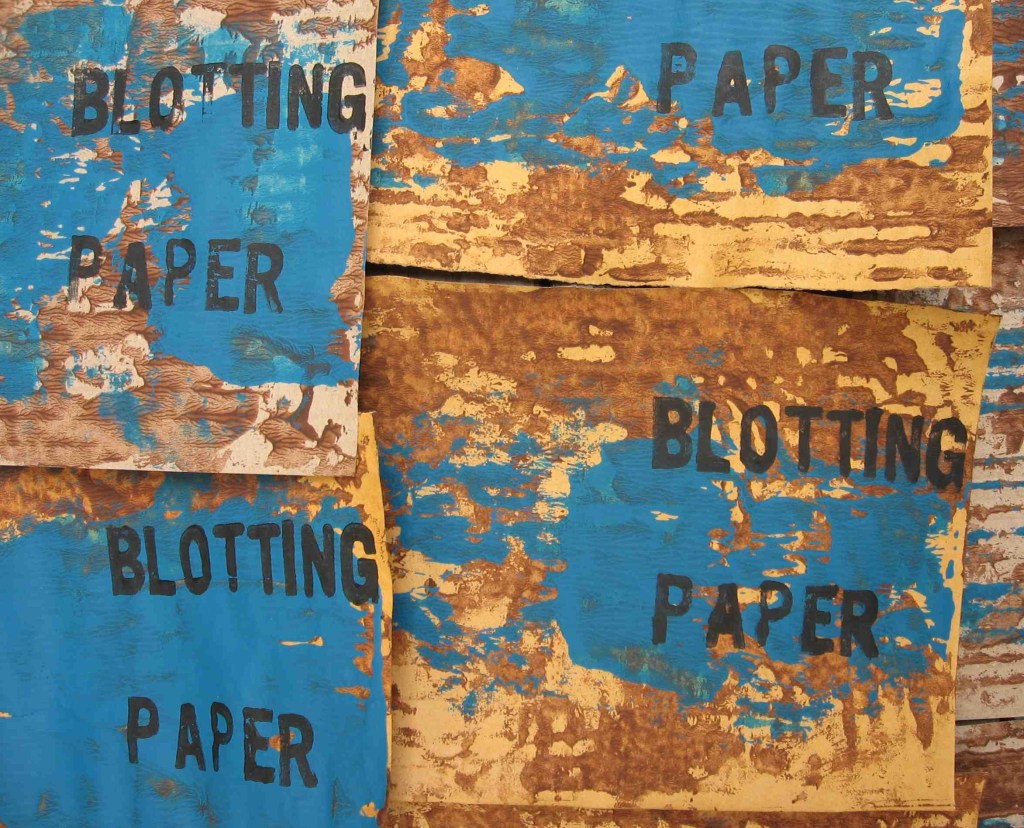
The final stage involved printing the type over the blue overlay and brown background.
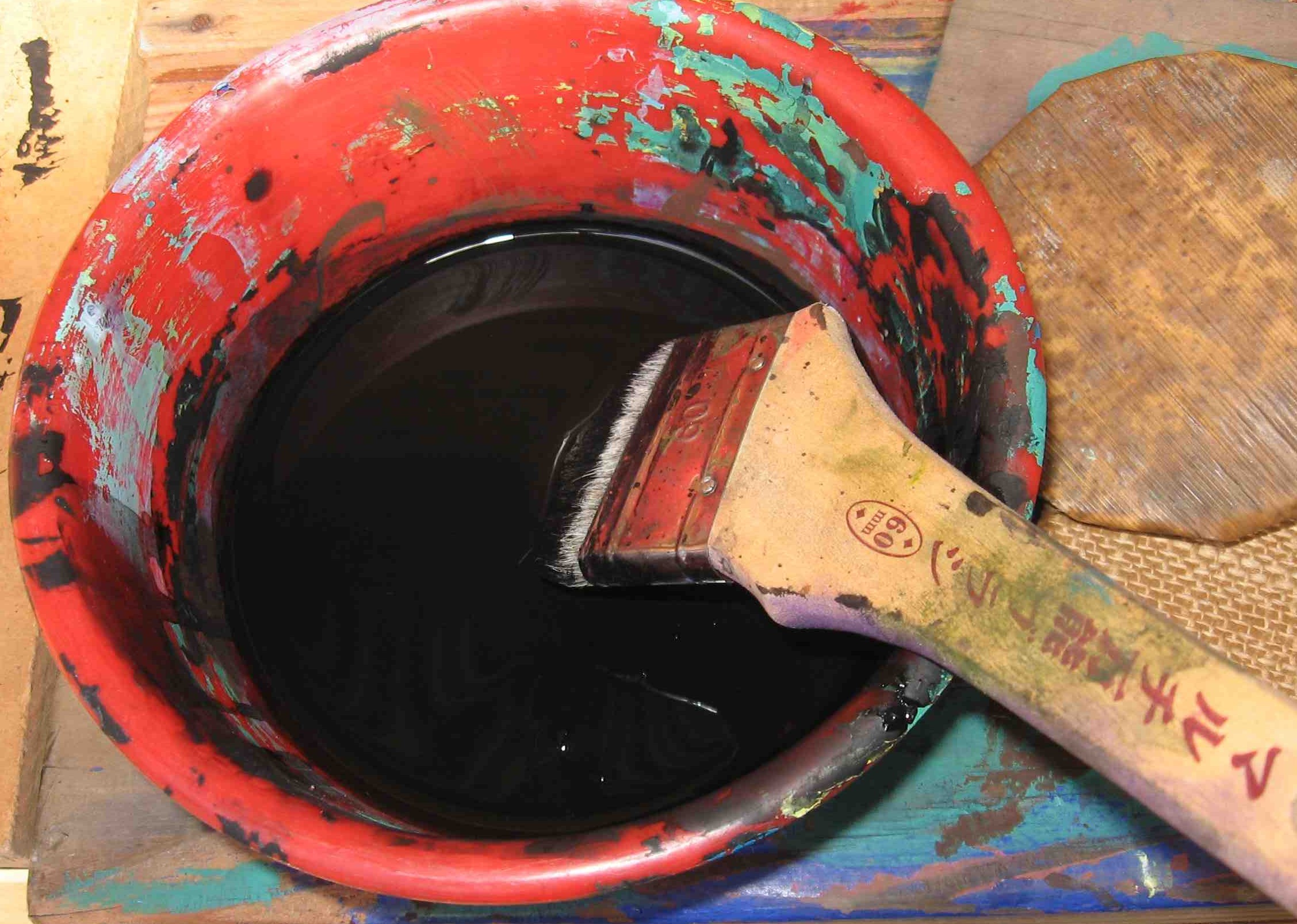
Following the Japanese creative print approach of using sumi ink enabled me to obtain solid blacks. The ink was brushed onto the block. Then the paper was placed face-down onto this and rubbed with a bamboo baren to make firm contact.
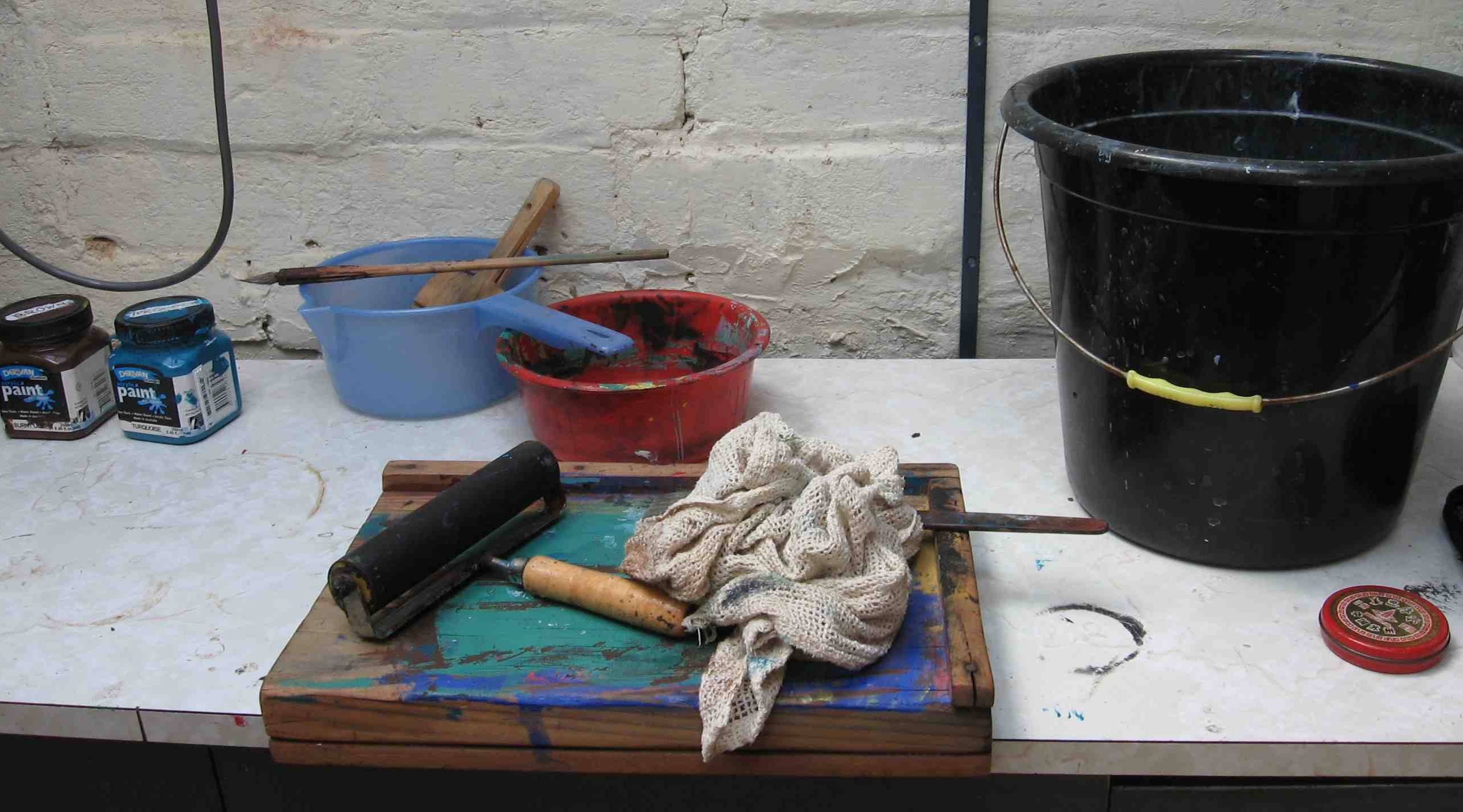
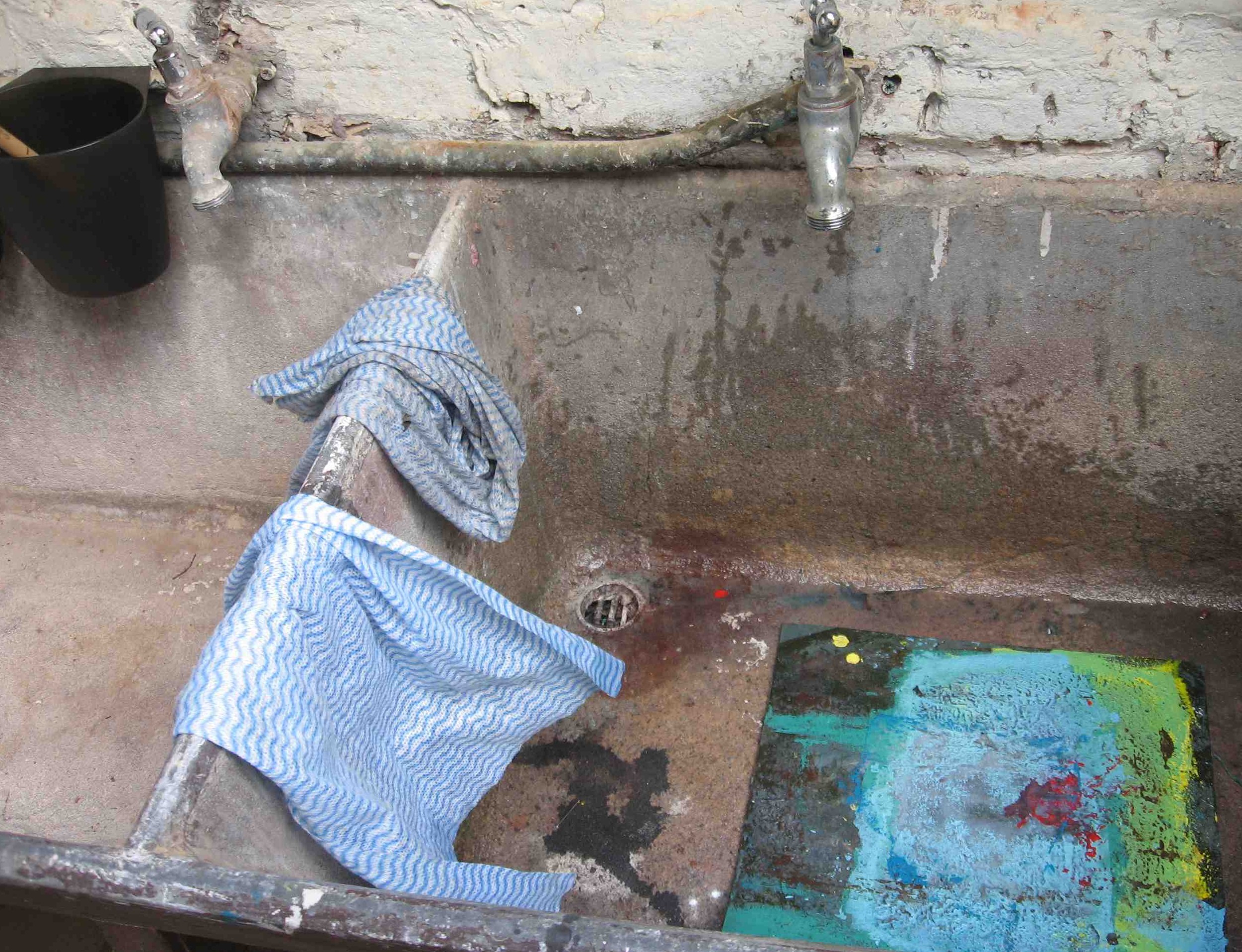
Materials used included ink, rags, cloth, plus water for washing the blocks, brushes and hands.
Despite the implied reference to woodblocks in Japanese print techniques the wood may be replaced by other materials. These include vegetables, fruit, leaves, rubber and other objects that are sufficiently flat to be inked and pressed onto paper. The creative print (sosaku hanga) approach places the emphasis on the act of making the print. It’s a joy! Please let me know if you share the joy of printmaking…or wish to make any comments about this post and blog, Michael.

(All text, photos and artwork-©2012 Dr. Michael Hill a.k.a. Doctor Comics).
 Doctor Comics