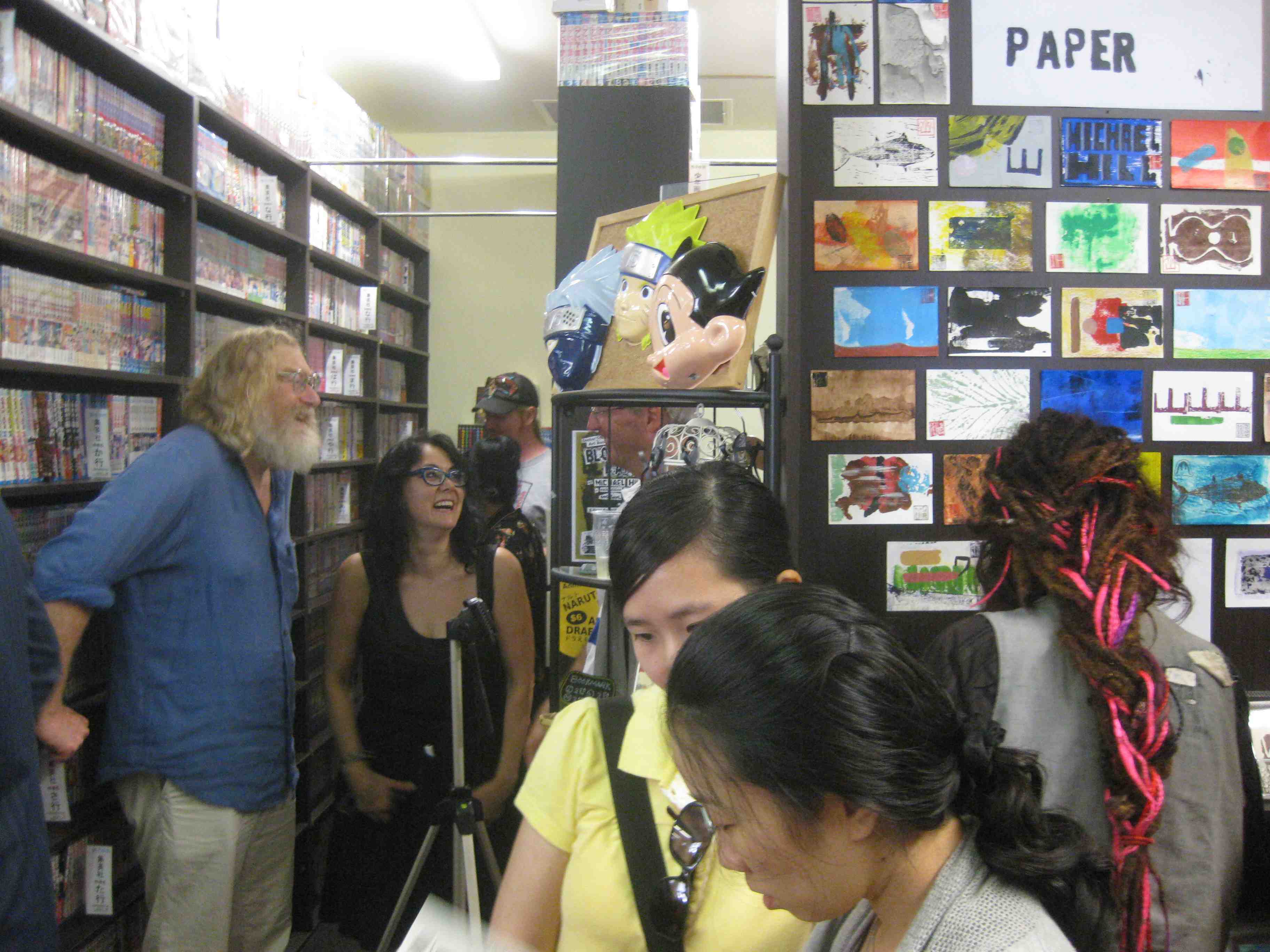
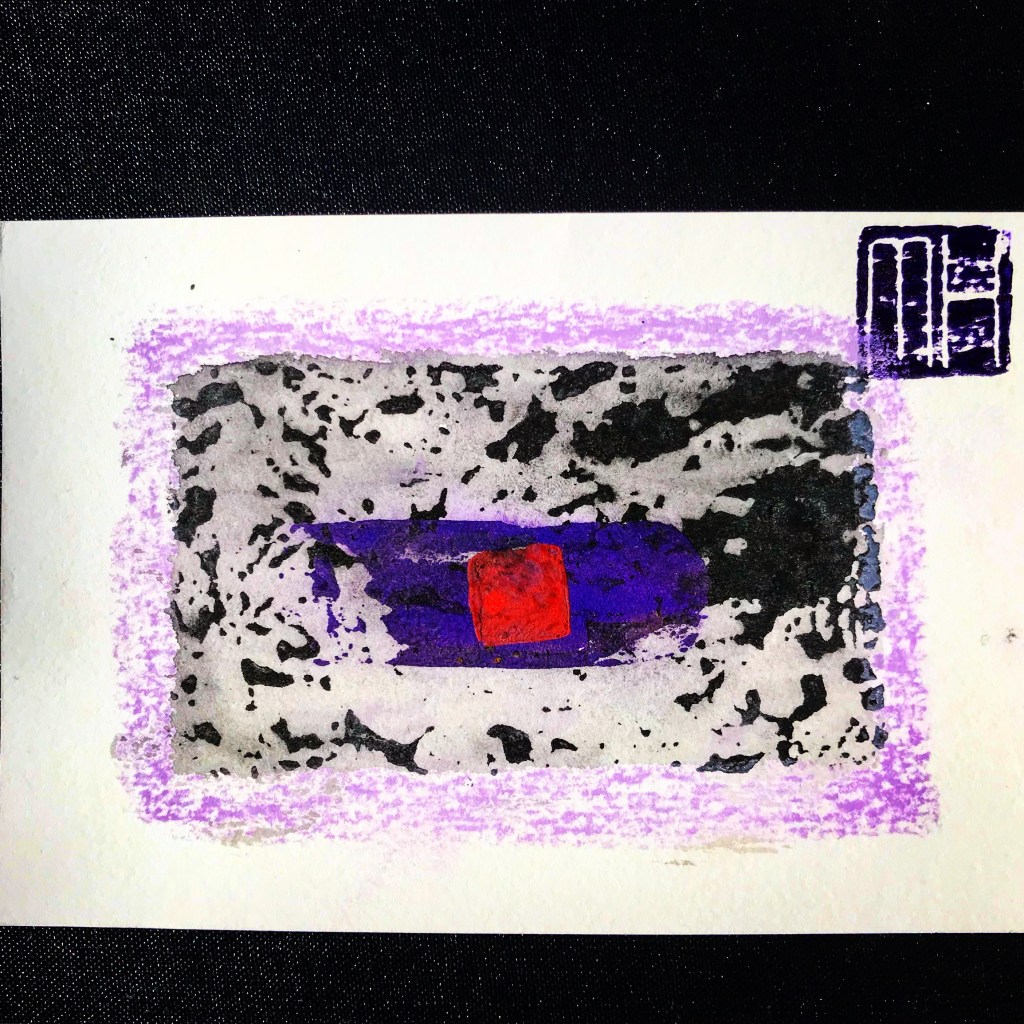
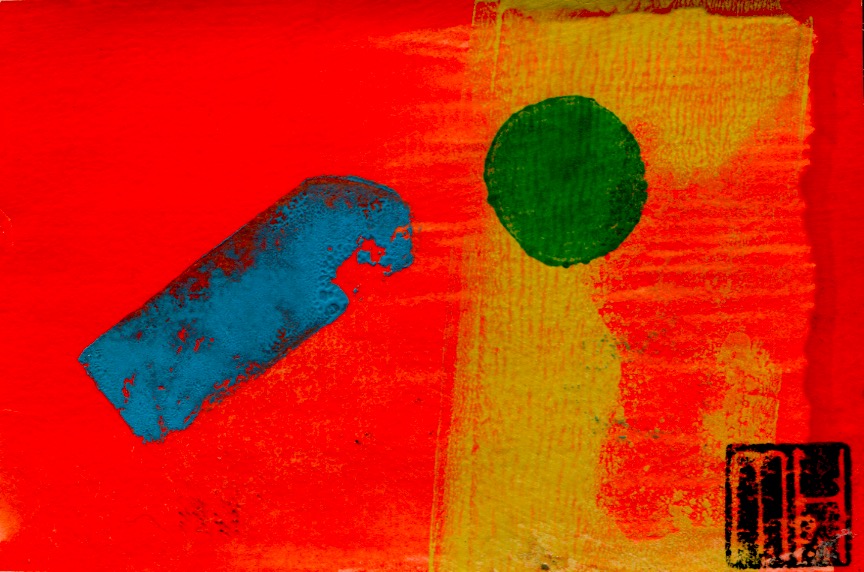
Returning to the shorter interval between posts again but for a good reason on this occasion. My artist book/comic Blotting Paper: The Recollected Graphical Impressions Of Doctor Comics was launched …at Hondarake Full of Books in Sydney in February, 2012. It was accompanied by an exhibition of my handmade art postcards and the printmaking tools used in their production. Having gained a reputation for researching comics art there I was attempting to create it. I was proud of my comic, its launch and the attendance of my friends and supporters.


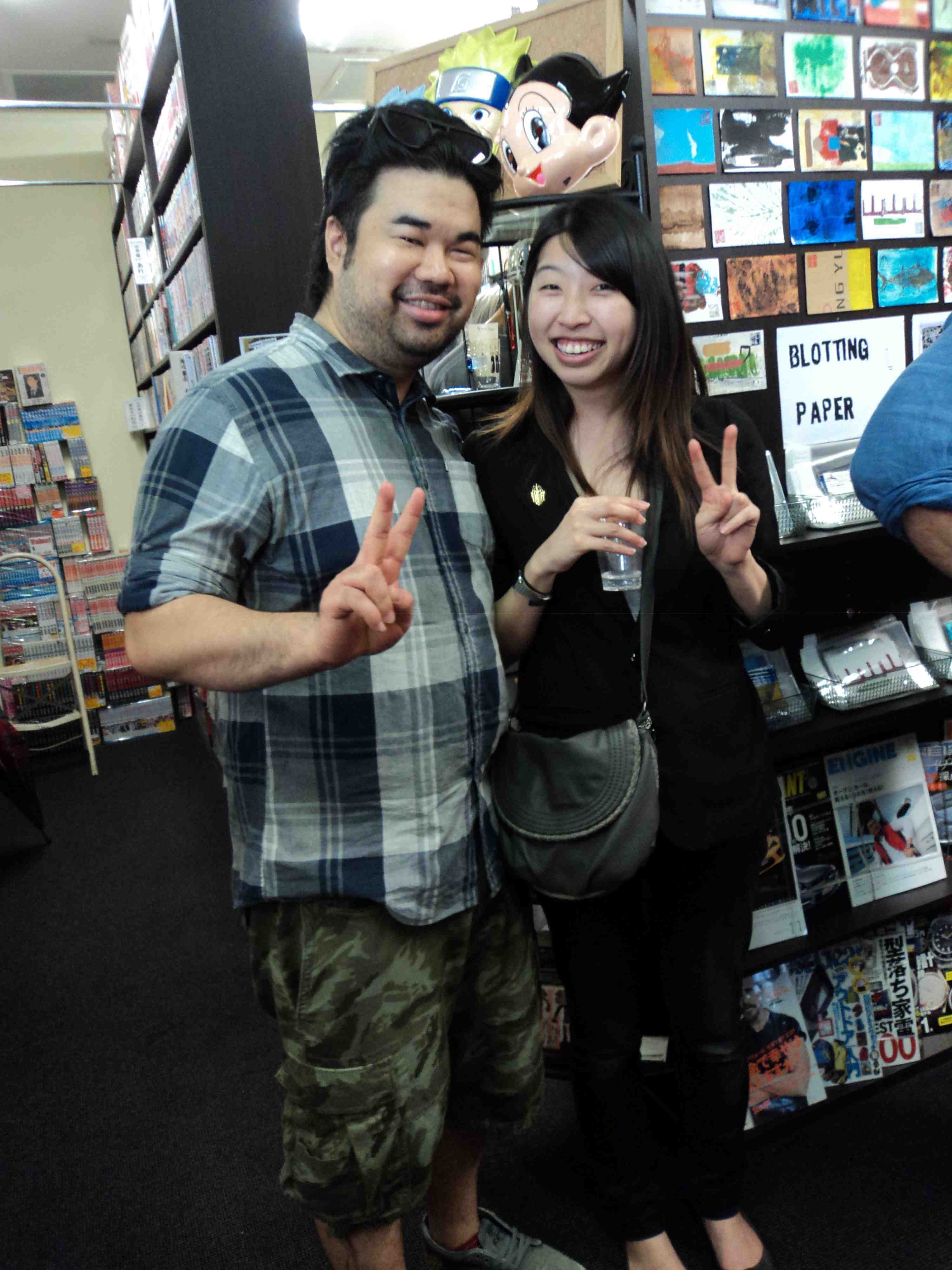
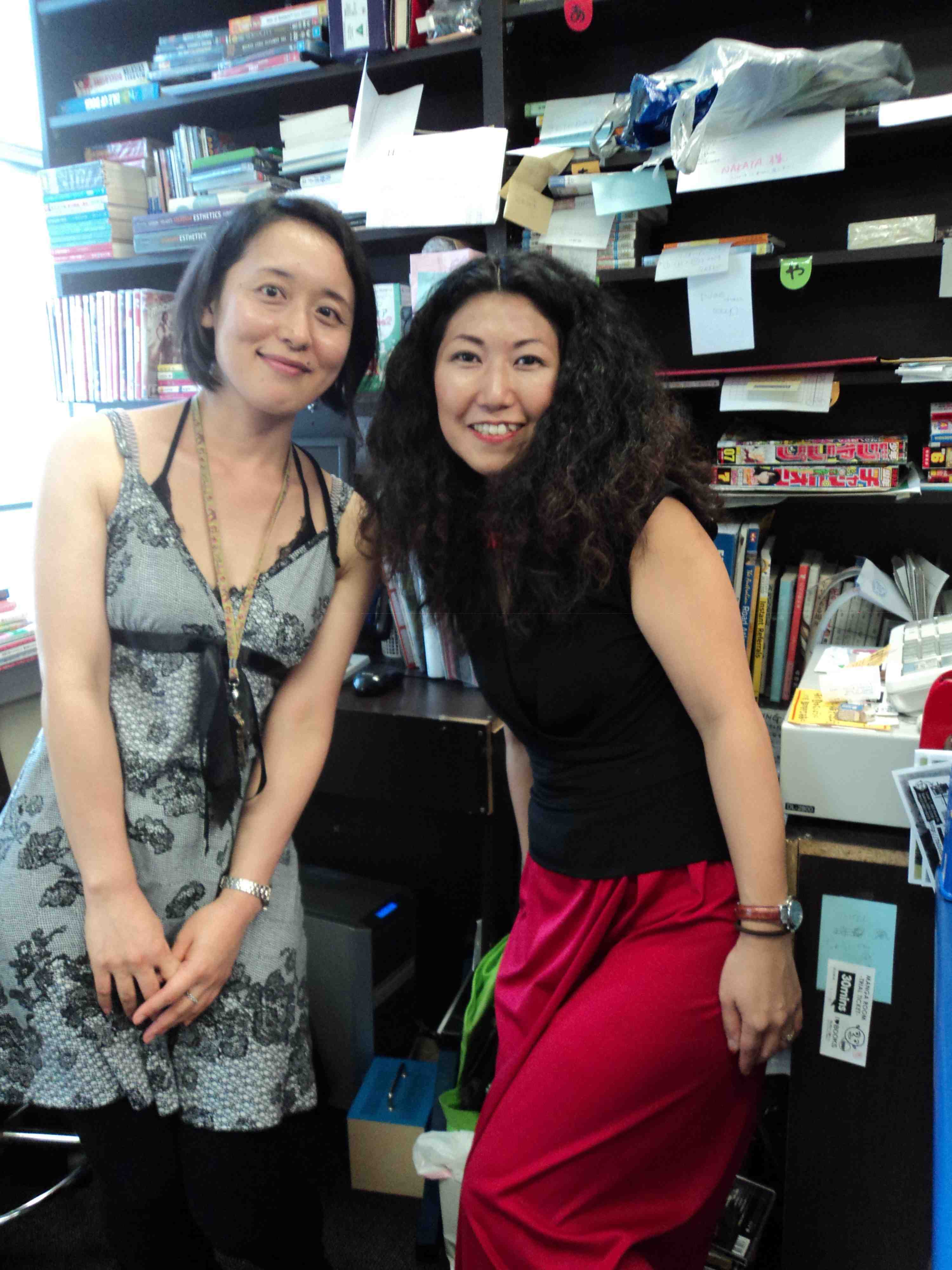
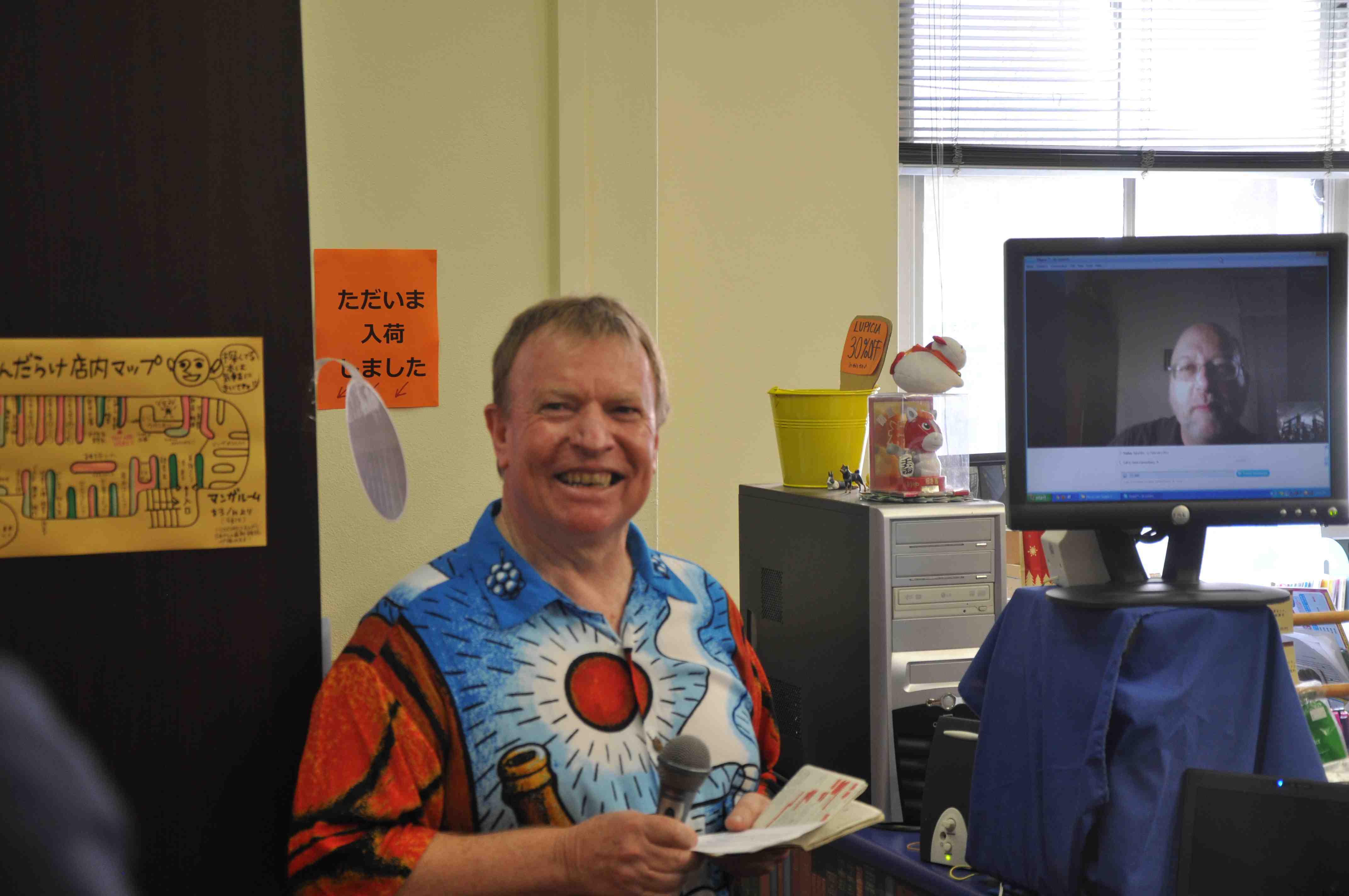
The book was launched by my colleague Gene Kannenberg, Jr. via Skype from the U.S.A. Noted comics historian, Kannenberg is director of ComicsResearch.org. former Chair of the International Comic Arts Festival…and the Comic Art & Comics Area of the Popular Culture Association…and author of 500 Essential Graphic Novels. He made a humorous speech and participated in a game of pairing comics with beer. What a great game! His matching including the work of creators Will Eisner, Lynda Barry, Hergé, Jack Kirby and Joost Swarte. Gene got a big response when he suggested black coffee with Steve Ditko…and Duff beer with Matt Groening, and an even bigger response when he brought his cat, Mr. Pickles, onscreen. Thank you Gene for the live TV launch! Thanks to my agent Andrew Hawkins for organising the event and store owners Hisae and Tomoko for hosting! Were you there? Send me your feedback, either about being at the launch or from reading this blog post. I would love to hear.

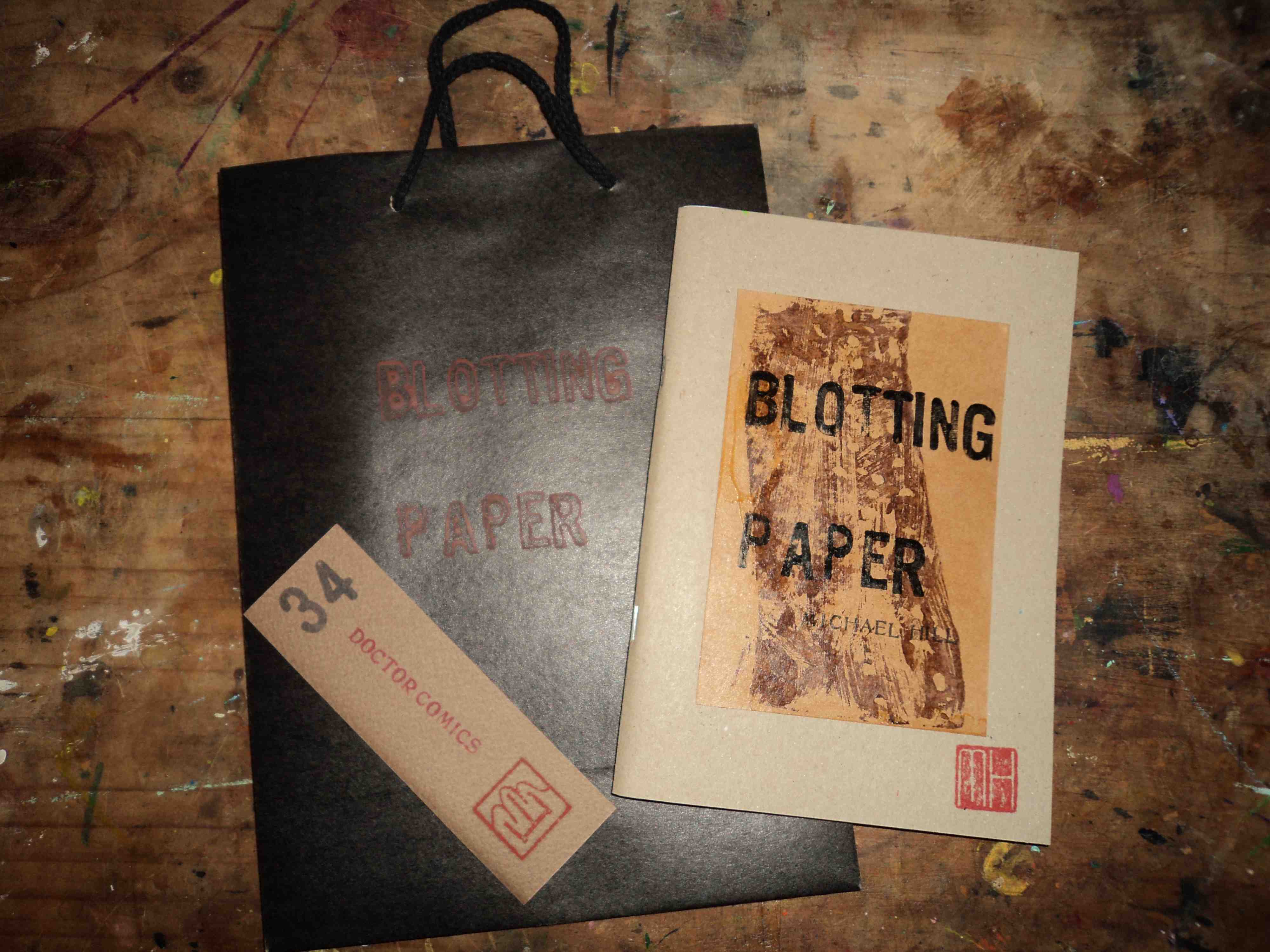
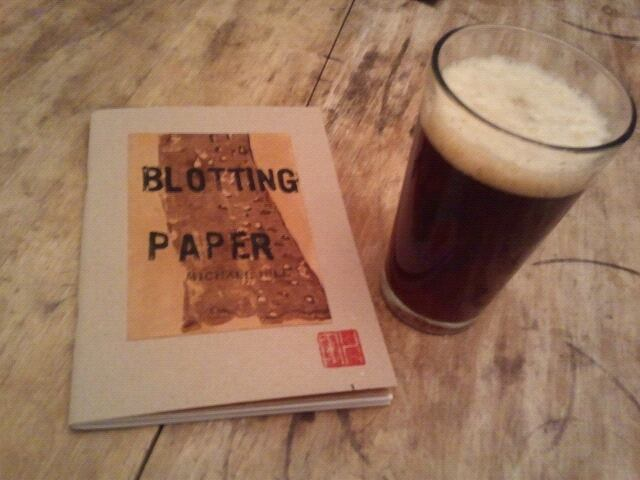
The book with original handmade print on cover. (Original print-© 2011 Michael Hill)
The limited edition numbered and signed book comes with an original print on the front cover (see photo above)…a numbered bookmark and printed bag (see photo of package below).

A double page spread from the book that shows printmaking with pieces of fish. (Drawing and prints-© 2011 Michael Hill)


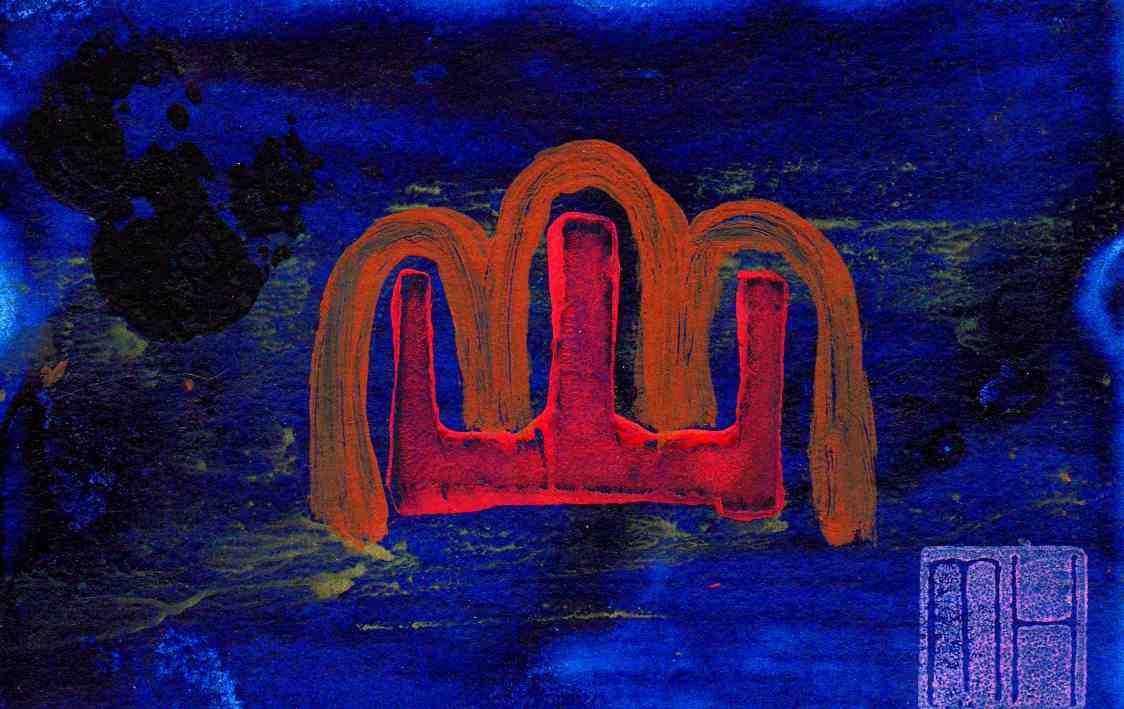
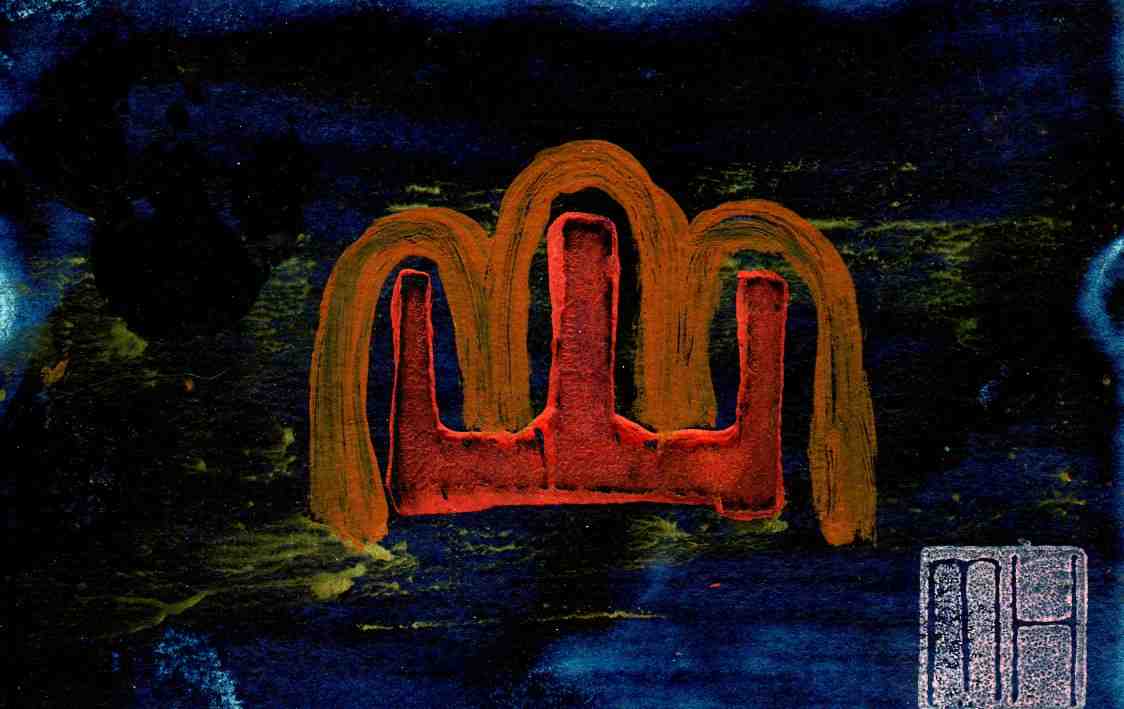
Both the art book/comic and the postcards involved printmaking as an image-making technique. I employed the Japanese technique of woodblock printmaking in my first animation film around 20 years ago. I have continued to use Japanese influenced printmaking techniques ever since. I have been involved in the scholarly and research aspects of visual communication, more so than in production. This artist’s book and the accompanying exhibition marks a more focused return to the ‘making’ of images and visual projects.
Copies of the first issue of my artist book/comic…Blotting Paper: The Recollected Graphical Impressions Of Doctor Comics…are available exclusively from the launch venue till 31 May. Hondarake Full of Books, Level 1, 465 Kent Street Sydney. Phone: 02 9261 5225 Online: http://fullofbooks.com.au The store also stocks a selection of my handmade art postcards…each an original monoprint…signed and stamped by the artist(see displays in photos above). (All text and artwork-©2012 Dr. Michael Hill a.k.a. Doctor Comics).





 Doctor Comics